The name on the front of a fireplace tells you who built it, not who is allowed to fix it. Homeowners around Abbotsford who search for “majestic fireplace repair” usually want to know whether a local technician can handle their unit, what a repair visit involves and how the right parts are found. This page answers those questions in plain language for gas fireplaces, inserts and wood stoves alike, so you can approach Majestic fireplace and insert repair with a clear picture of what lies ahead.
Often, yes, especially when the body of the unit is sound and parts are still available. Worn gaskets, a tired thermocouple, a cracked firebrick or a noisy blower are routine repairs that can give an older fireplace many more seasons. Replacement deserves a conversation when the firebox is rusted through or cracked, when key parts such as the gas valve or ignition system are no longer made, or when the unit has been damaged by water or overheating. Ask the technician to explain both paths in plain terms, including how long each is likely to last, before you decide.
Thumping ignition, grinding fans, electrical burning smells and lingering smoke are the warning signs; ticking metal and a brief new-part smell usually are not. Telling them apart is a big part of our job. A delayed light-off that rolls flame out of the firebox suggests a dirty burner or a weak igniter. A fan that squeals has worn bearings. A sharp, plastic smell can come from wiring touching something hot. On gas units, the smell of gas means leaving the house and calling the gas utility from outside before calling anyone else, us included.
Cloudy glass can be harmless or a clue, depending on its color. The chalky white film we see on gas fireplaces builds up gradually and mostly affects appearance, though left for years it can bake on for good. Black soot is the one we pay attention to, because carbon forms when the flame is not getting the air or gas mix it needs. That sends us to the burner ports, the log or media layout and the vent. On wood stoves, dark glass after every fire usually points to low air settings or firewood that has not dried long enough.
Our gas fireplace checklist starts with safety and ends with appearance. First come the gas connections, tested for leaks, and the venting, inspected inside and at the outside cap. Then the ignition: pilot or spark, sensor output and how quickly the main burner lights. We clean dust and lint from the burner ports and the control area, since blockages cause lazy flames and soot. Logs, rocks or glass media go back exactly as the manufacturer drew them. Finally, we run the unit long enough to watch a steady flame and confirm the blower and controls respond.
In a factory-built wood fireplace, the damper is a metal plate near the top of the firebox, opened with a handle, rod or chain. Over time the pivot can rust or seize, the plate can warp and the control linkage can bend or snap. A technician first checks whether the damper opens fully and closes reasonably tight, then looks for the cause: rust, debris resting on top or a broken handle. Many of these parts are replaceable using the model’s parts list. A damper stuck partly shut needs fixing before the next fire, because it can push smoke into the room.
Plan on an hour or two for most visits, with exceptions we can usually predict. The unit needs to be cold before we open it, so a fireplace that was running that morning adds waiting time. Diagnosis is quick when the fault happens on demand and slower when it only shows up after the unit has been running a while. Parts are the other variable: if we carry the part, the repair usually happens on the spot; if it has to be ordered, we schedule a return trip and share what we know about delivery.
Sometimes, but only with products the fireplace manufacturer allows. A factory-built wood fireplace is tested as a system, and its manual lists which gas log sets, if any, can be installed in it. Fitting an unlisted set can affect clearances, venting and how hot the firebox runs. A technician can check your model’s documentation before you buy anything, and the gas connection itself is work for a qualified gas technician. Ask about this while you research “majestic fireplace repair”, since converting and repairing often come up together on older units. Chimney Sweep Abbotsford is an independent company, so the answer comes straight from the manual.
The model and serial number are printed on a rating label or metal plate attached to the unit. On many gas fireplaces and inserts, it sits behind the lower louver or grille near the controls, sometimes on a chain or tag that pulls out. On freestanding stoves, it is often on the back or underneath. Wait until the unit is completely cool, use a flashlight and take a clear photo rather than copying it by hand. Do not remove panels or touch gas parts to find it. If you cannot locate the label, photos of the front and the controls still help.
Batteries are the usual cause, followed by pairing and then the electronics. On many units, the receiver near the valve runs on its own batteries, and homeowners often change the handset without realizing the receiver is the weak link. Power surges, outages and dropped remotes can also break the pairing between the two. If fresh batteries and re-pairing do not help, we test the receiver output and the valve’s response to it directly, which shows quickly whether the fault is in the remote system or in the fireplace. Replacing a remote kit is usually straightforward once the model is known.
A good visit looks at the whole system around your fireplace, not just the part you asked about. That is how Chimney Sweep Abbotsford approaches every home in Abbotsford. Book Majestic fireplace and insert repair and get a complete, honest overview of where things stand.
Flue last swept long ago? Chimney Cleaning in Abbotsford

Creosote cleared, flue inspected: Chimney Sweep for Abbotsford
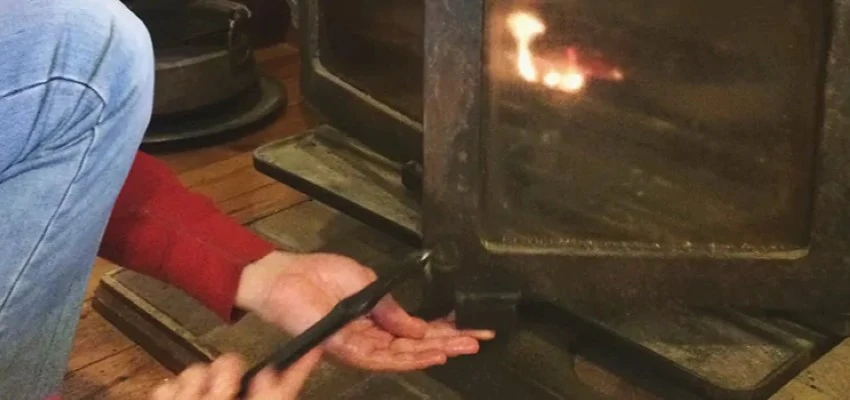
From roof cap to firebox, Chimney Sweep Services in Abbotsford
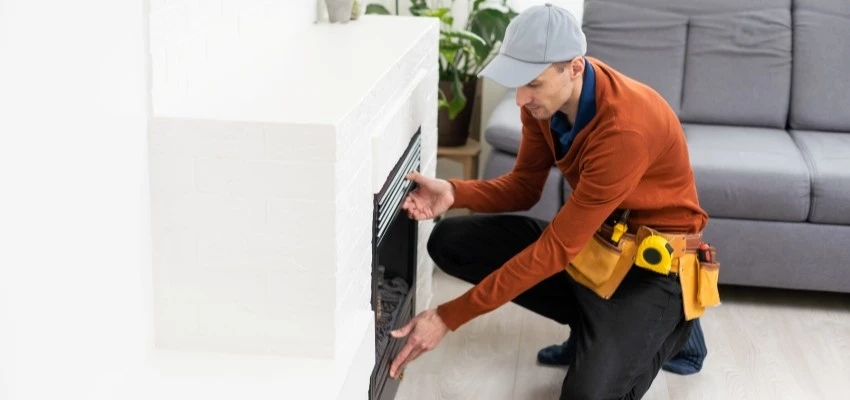
Ready for the season with Fireplace Experts in Abbotsford
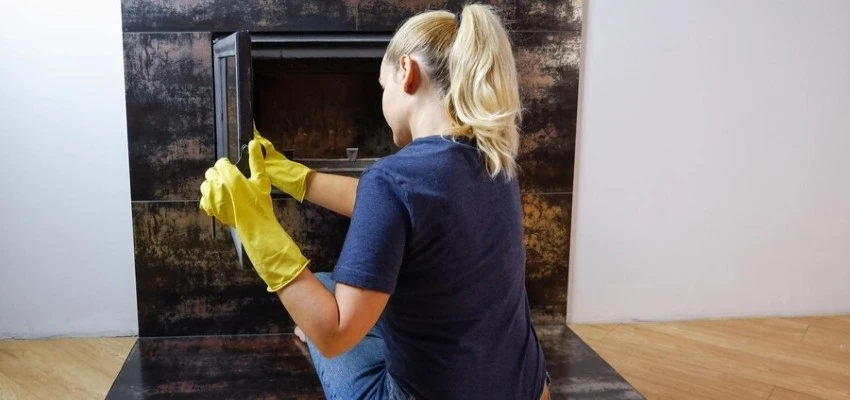
Control area vacuumed during Gas Fireplace Cleaning
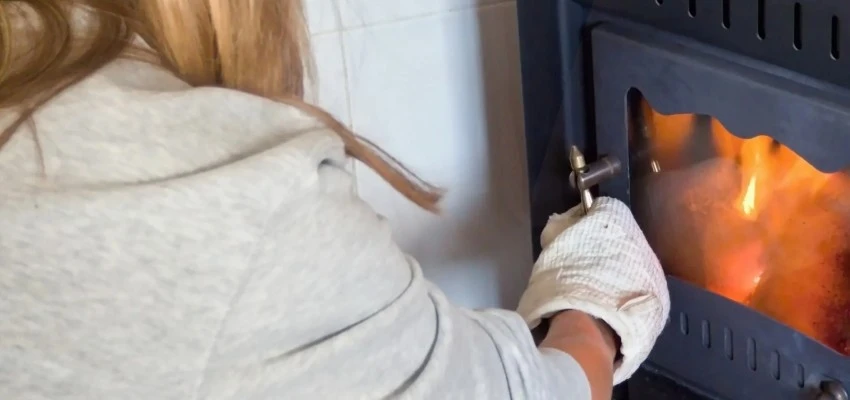
Yearly Gas Fireplace Maintenance in Abbotsford, before the cold arrives