A working gas fireplace adds warmth and atmosphere to a room with almost no effort, which is why it is so frustrating when it stops cooperating. Before you book anything, it helps to understand what is going on inside the unit. This page collects what homeowners in Abbotsford want to know after searching “gas fireplace maintenance”, with clear answers about annual gas fireplace service, the safety basics and the routine care that keeps a gas fireplace dependable.
It can, and that possibility is why we treat venting and flame quality as safety checks rather than cosmetic ones. A sealed direct-vent unit draws its air from outdoors and pushes exhaust back out, so room air stays separate as long as the glass seal and vent joints are sound. Trouble starts when a vent cap is blocked, a pipe joint separates or the flame is disturbed enough to burn poorly, which often shows up as soot. During service we inspect those points and watch how the fire burns. We also remind every household to keep carbon monoxide alarms working, because they catch what nobody can see.
Treat any gas smell as real until it is proven otherwise; that is the rule we follow ourselves. Faint or strong, the response stays the same: walk out, take everyone with you and make the call from outside, well away from the house. Switches, doorbells, phones and even the fireplace remote can create a small spark, so leave them alone. Once the utility has checked the home, we can look for the cause at the fireplace, which is often a loose fitting, a worn connector or a valve that no longer seals. The fireplace stays off until that repair is made and a leak test passes.
A service includes a running check, a full clean, sensor and leak tests and a final burn, always in the same order so nothing gets skipped. First we look at the fireplace running, because the flame tells us a lot before any tools come out. Then we shut it down, let it cool, lift off the glass and vacuum the firebox, burner tray and control compartment. The pilot assembly gets cleaned, the sensor output is measured and the logs or media are reset to the diagram. We check the glass gasket, test accessible fittings for gas leaks and look at the vent cap from outside. A final burn confirms everything, and then we tell you what we found.
A common guideline is to have a gas fireplace serviced once a year, ideally before you start using it regularly in the cooler months. Yearly service keeps the burner and pilot clean, confirms the safety controls work and catches vent problems early. Some homes need attention more often: fireplaces used daily through the season, homes with pets that shed heavily and units that have shown soot, odors or ignition trouble. A fireplace that is rarely used still benefits from a yearly look, since spiders, dust and nesting animals do not wait for the fire to run. Your owner’s manual may list its own schedule.
The outdoor vent cap is the one most people forget, because it is out of sight. Nests, overgrown shrubs, stacked firewood or a new deck can all crowd it. Receiver batteries are another, since they hide behind the lower panel and fail without warning. Carbon monoxide alarms have a replacement date printed on them that often slips by. Gaskets, embers and log placement only get attention when someone looks closely, which is why the yearly visit matters. Keeping a short checklist with your “gas fireplace maintenance” records makes these easier to remember.

A cold fireplace and a clear floor are the two things that help us most. We need room to lay down a drop cloth, set the glass front somewhere safe and kneel in front of the unit with a vacuum and tools. Decorations on the hearth and candles on the mantel are easy to knock over, so we ask that they be moved. A list of what you have noticed, even small things like a delay before ignition, saves diagnostic time. Booking ahead of the cold months also means we are not working around a fire you were hoping to use that evening.
Alarms belong near bedrooms and on every floor, and we ask about them at nearly every gas fireplace visit because they are the only reliable way to know if exhaust ends up indoors. A well-kept, properly vented fireplace should not cause a problem, but vents can be blocked by nests and seals can fail without warning. In the homes we visit, the gaps we see most are alarms missing from bedroom hallways, units with dead batteries and alarms well past their replacement date. Pressing the test button once a month takes seconds. Combination smoke and carbon monoxide alarms are a convenient choice where only one device fits.
It depends on the fireplace. Many newer models have electronic ignition and no standing pilot, so the question does not apply, and some electronic systems offer a mode that switches between a continuous pilot and one that lights only when needed. With a standing pilot, some owners keep it lit year-round, which keeps the firebox dry and discourages insects, while others prefer to have it shut off during the warm months to save gas. Turning it off and relighting it correctly is part of the gas controls, so the simplest approach is to have your technician shut it down at a spring visit and relight it during the fall service.
Pick a company whose technicians work on gas fireplaces regularly and can describe the visit before they start. Ask whether they service your fireplace type and fuel, whether they work on your brand and what a standard visit covers. Expect a written quote, an arrival window that is respected, floors protected and a test burn with you before they leave. Recent reviews that mention clear explanations and tidy work tell you more than a polished advert. Be wary of anyone who skips the leak check, pushes a replacement without showing you the problem or cannot answer basic safety questions.

We protect the work area, clean up before we leave and tell you what we found in words that make sense. You end the visit knowing the state of your gas fireplace. Book annual gas fireplace service with Chimney Sweep Abbotsford when it suits you.
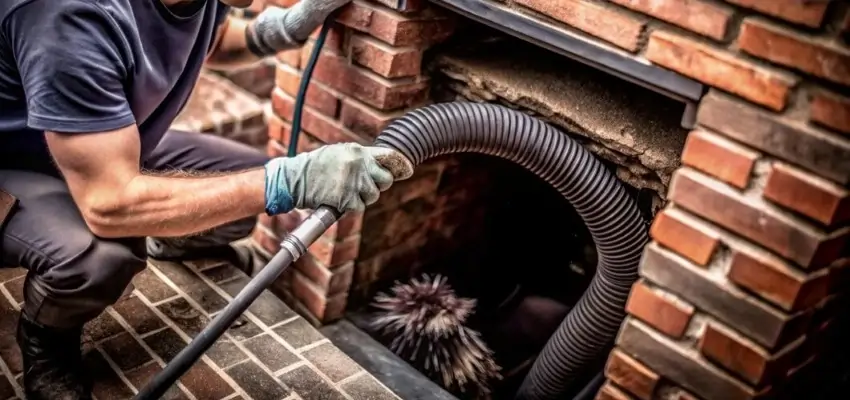
Flue last swept long ago? Chimney Cleaning in Abbotsford

Creosote cleared, flue inspected: Chimney Sweep for Abbotsford
From roof cap to firebox, Chimney Sweep Services in Abbotsford
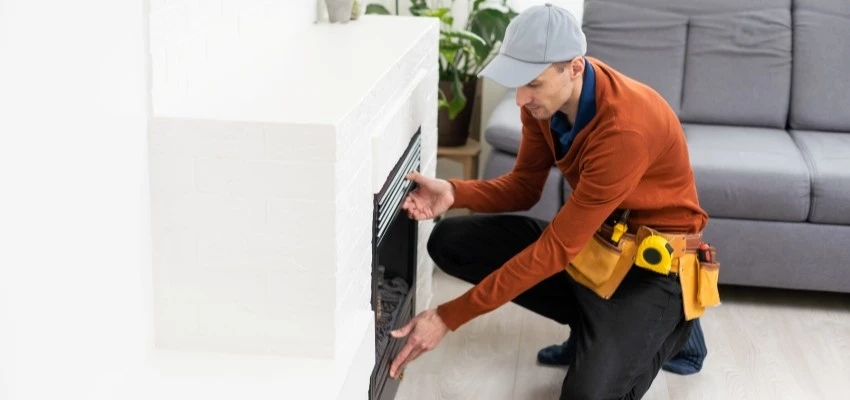
Ready for the season with Fireplace Experts in Abbotsford
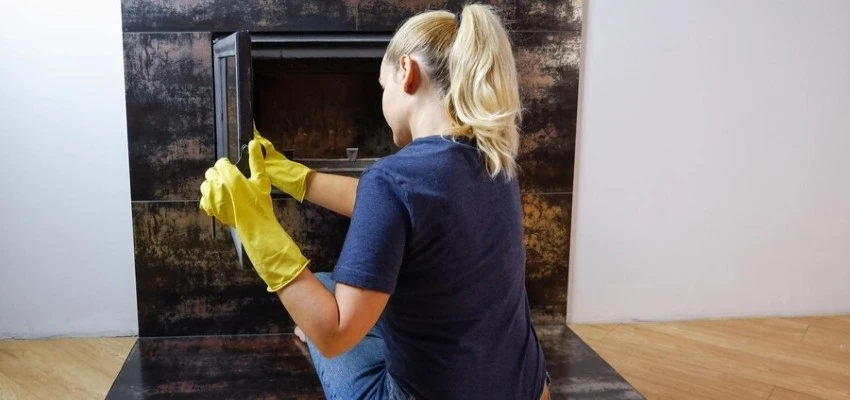
Control area vacuumed during Gas Fireplace Cleaning
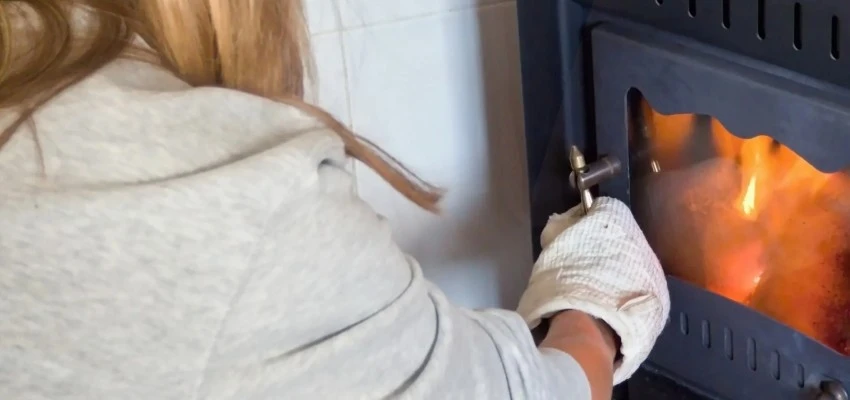
Yearly Gas Fireplace Maintenance in Abbotsford, before the cold arrives