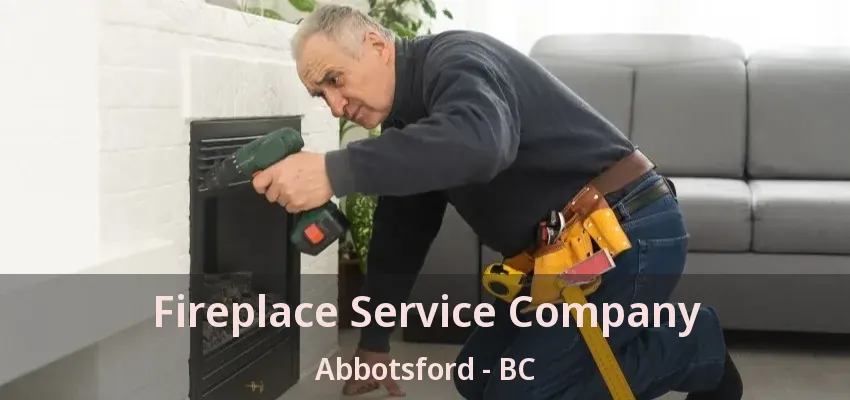
A wood fire is one of the simple pleasures of the colder months, and keeping it that way takes a little care behind the scenes. If you searched for “fireplace service company”, you are probably weighing what your fireplace needs now and what can wait. This page gathers straight answers for homeowners in Abbotsford about fireplace service: what a technician looks at, what tends to wear out and which small habits keep fires burning cleanly between visits.
Creosote is unburned fuel: tiny droplets of tar and gas that leave the fire, cool on the way up and stick to the flue walls. We grade it by texture on every job. A light, powdery coat brushes away easily. A thicker, flaky or bubbly layer takes more effort and tells us fires are running cool or the wood is wet. A glossy, glazed coating is the one that concerns us, because it is stubborn to remove and burns intensely if it catches. Where we find heavy deposits, we talk through wood and burning habits, since changing those is what slows the next round of buildup.
A fireplace or stove needs cleaning when the flue turns matte black and furry with deposits, or when fires start losing their pull. We judge it by thickness and texture, but homeowners can spot the effects from the hearth. Fires get lazy, drafts weaken and the room picks up a stale smell between uses. In stoves, the glass blackens faster and the baffle collects a crust. Heavy users often reach that point before the season ends, while occasional users may go a full year or more. When in doubt, a quick inspection settles it without guesswork.
The cost depends mainly on how much work the visit involves and how hard the chimney is to reach. Key factors include the height of the chimney and the pitch of the roof, the number of flues, how much creosote has built up and whether it has glazed, and whether the visit includes an inspection or a camera scan. Stoves with pipe to take apart and older fireplaces with rough smoke chambers can add time. Repairs and parts are normally quoted separately. A written quote that lists what is included makes it easier to compare companies fairly.
Start with a cold firebox and clear floor space; those two things make the biggest difference on the day. Ashes need to be cool enough to handle safely, so skip the fire the evening before, and we need room in front of the hearth to lay down covers and set up a vacuum. Fragile pieces on the mantel are better moved by you than by us. Outside, we look for a level spot for a ladder and an easy route to it. A dog that dislikes visitors, an alarm code or a sticky gate are all worth mentioning ahead of time.
Dry, seasoned wood that has been split and stored for six months to a year or longer burns cleanest, because it lights easily and produces less smoke and creosote. Wet wood wastes heat boiling off water, smolders and coats the flue faster. Well-seasoned pieces are lighter, show cracks across the ends and sound hollow when knocked together, and an inexpensive moisture meter takes out the guesswork. Splitting and stacking wood in spring, off the ground and covered on top, usually has it ready for the colder months. Never burn painted or pressure-treated lumber, trash or cardboard boxes.

A reminder or recurring plan helps if you tend to forget when the fireplace was last looked at. Many companies can note your service date and contact you before the next season, and some offer to book the visit at the same time each year. That keeps inspections regular, spreads the workload into quieter months and builds a history of your fireplace. Read what any plan includes and whether it commits you to anything. A note on your own calendar works just as well if you prefer to stay flexible.
You can keep things tidy between visits, but the flue is where do-it-yourself efforts fall short. We regularly find chimneys that were brushed from below with a kit that missed the smoke shelf, pushed debris onto a closed damper or knocked soot loose without anyone noticing a cracked tile. Any work on the liner or masonry belongs with a professional. A sensible split is simple: ashes, glass, alarms and firewood are yours; sweeping, inspection and anything structural go to a technician. That division keeps you safe and puts experienced eyes on the parts that matter.
Look for a company that explains its thinking and backs it with evidence; that is what we would want from anyone working on our own homes. A team that knows the work asks what kind of appliance you have, how you use it and what you have noticed. On the visit, it shows you the inside of the flue rather than handing down a verdict, and it tells you plainly when something can wait. Careful setup and clean-up say a lot about the rest of the job. Scare tactics are a red flag, because a real problem can be shown in a photo and explained calmly.
On the first call, a good company should explain what a visit includes, what affects the cost and what it needs to know about your fireplace. Expect questions about the type of fireplace, how often you burn and what problems you have noticed. The person should be willing to explain cleaning, inspection and repair in plain terms, give a realistic arrival window and describe how findings are shared. If a “fireplace service company” offers a firm repair price over the phone without seeing the fireplace, treat it as a rough guess only.

We would rather explain one thing clearly than list ten things you do not need. Ask us what matters for your home in Abbotsford and we will give you a straight reply. Get in touch with Chimney Sweep Abbotsford whenever you are ready.
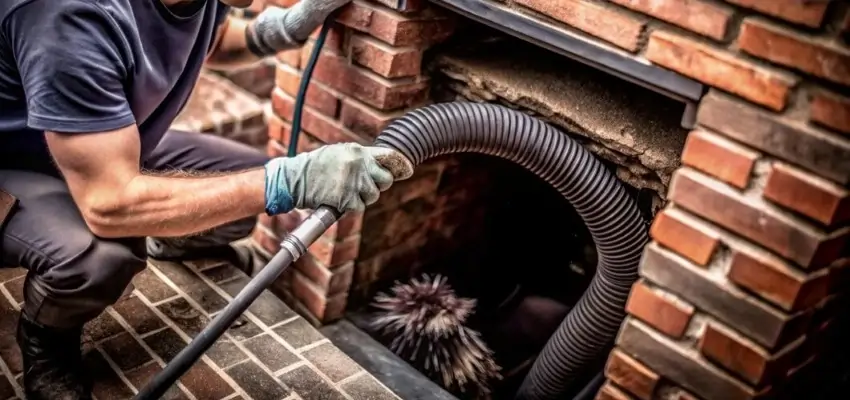
Flue last swept long ago? Chimney Cleaning in Abbotsford

Creosote cleared, flue inspected: Chimney Sweep for Abbotsford
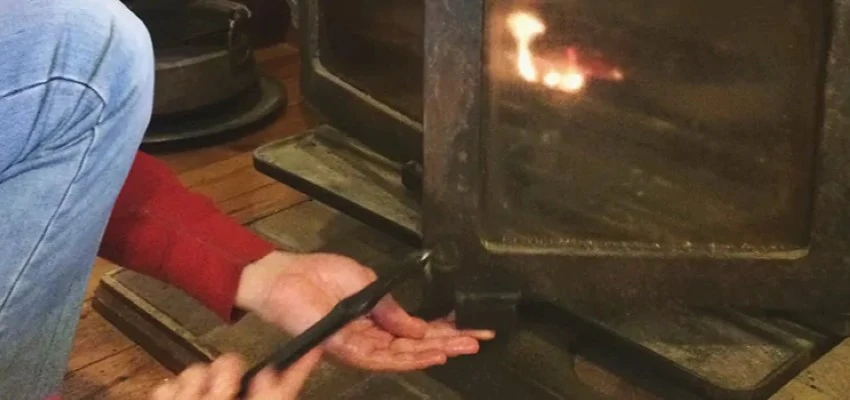
From roof cap to firebox, Chimney Sweep Services in Abbotsford
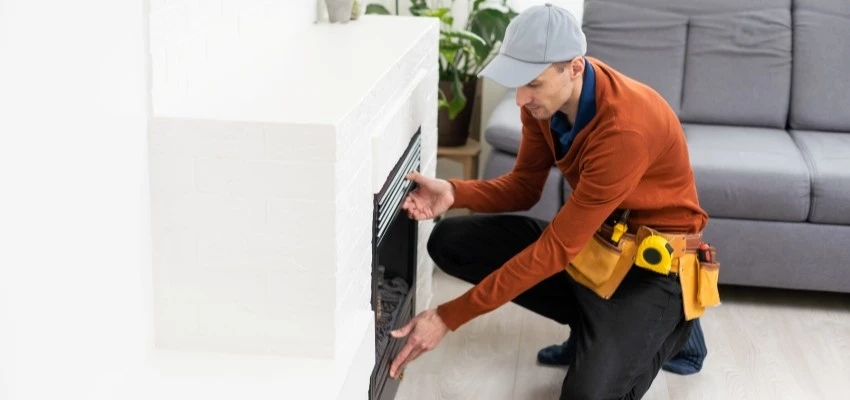
Ready for the season with Fireplace Experts in Abbotsford
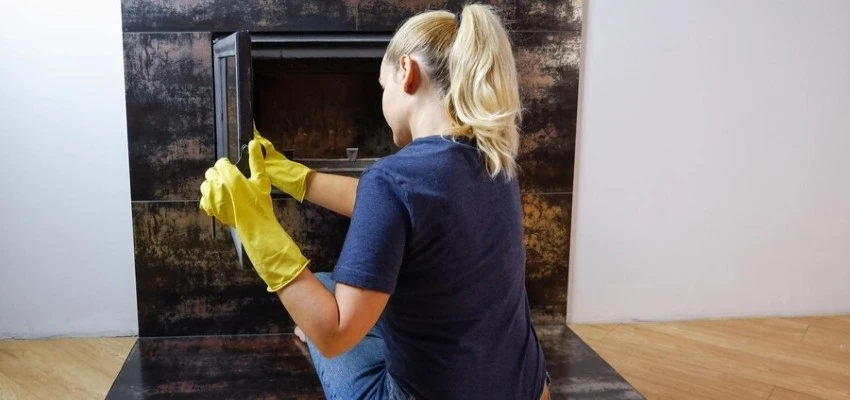
Control area vacuumed during Gas Fireplace Cleaning
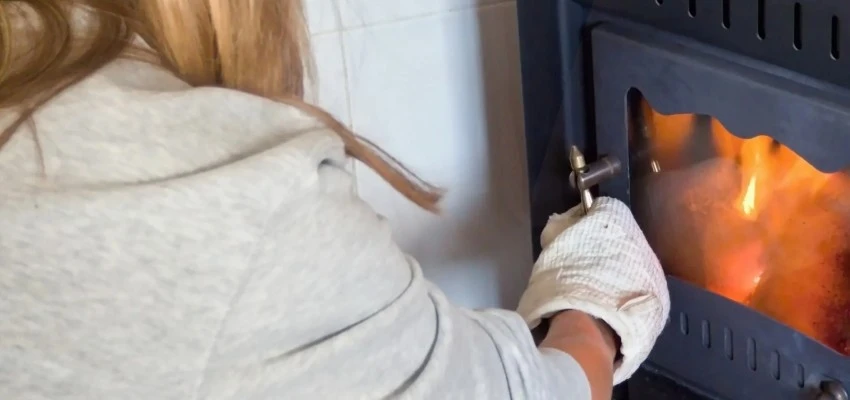
Yearly Gas Fireplace Maintenance in Abbotsford, before the cold arrives