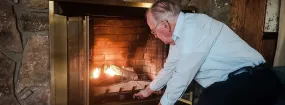
Most of what homeowners ask about wood fires comes down to three worries: is it safe, is it working properly and what will it take to fix? This page tackles all three for households in Abbotsford. If you arrived by searching for “fireplace safety inspection”, you will find fireplace inspection explained without jargon, with notes on what changes from one home to the next and which checks need no ladder or tools.
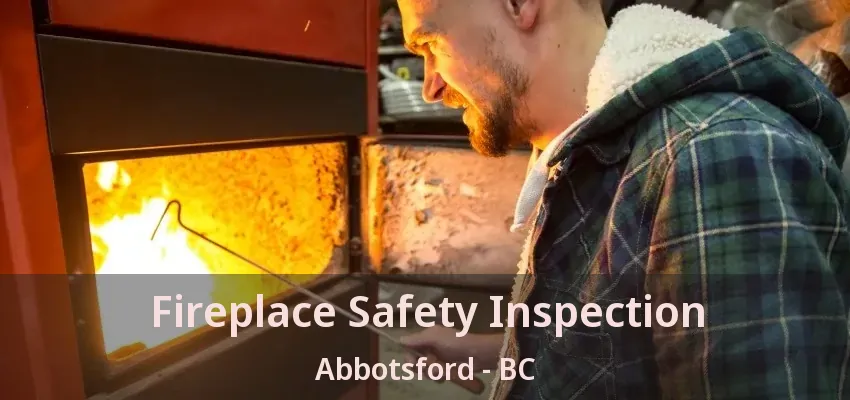
A common guideline is to have a wood-burning fireplace inspected once a year, ideally before the heating season, plus at a few specific moments. Those include buying or selling a home, after a chimney fire, a lightning strike or a severe storm, before using a fireplace that has sat idle, and when you change how you burn, for example by adding an insert. An inspection also makes sense whenever you notice smoke in the room, odors, water stains or loose masonry. Pairing the yearly inspection with a sweep keeps it to a single visit.
Not until someone has looked inside, because an idle chimney fills up with things nobody can see from the room. On a first visit to a long-unused fireplace or stove, we routinely pull out nests, twigs, leaves and fallen mortar. We also check for animals that may still be living in the flue, a damper rusted shut and flue tiles that cracked while nobody was watching. Then we sweep, run a camera up the flue when needed and walk the homeowner through what we saw. Many of these systems go back into service after a cleaning and a few repairs.
Clean, sound and set up correctly: those are the three verdicts a fireplace inspection should reach. Clean means the level of creosote in the flue and smoke chamber. Sound means the firebrick, mortar, damper, liner, crown and cap are intact, with no cracks or gaps that let heat or smoke escape. Set up correctly covers clearances to mantels, trim and framing, a hearth extension that protects enough floor and a cap that keeps rain and animals out. Where we cannot see, a camera goes up the flue. The report puts each finding in plain terms, with photos.
It should. Wood fires produce carbon monoxide, and anything that stops smoke from leaving the house raises the risk. During the inspection, the technician checks for blockages in the flue, gaps or cracks that let gases leak, a damper that does not open fully and signs of smoke spillage such as soot marks above the opening. They may also ask about kitchen and bathroom fans that can pull air down the chimney. Expect a reminder to keep carbon monoxide alarms working on every level and near bedrooms, and to replace them as the maker recommends.
Leave it largely as it is, apart from unburned logs and decorative pieces. We actually prefer to see the firebox before anyone tidies it, because what lies on the floor tells a story: black flakes suggest creosote breaking loose above, mortar crumbs point to joint wear and gritty debris can mean a crown or cap problem. Shoveling out warm ash is the one thing to avoid, since embers can survive in an ash bed for days. If the pile is overflowing and stone cold, removing some of it is perfectly fine.
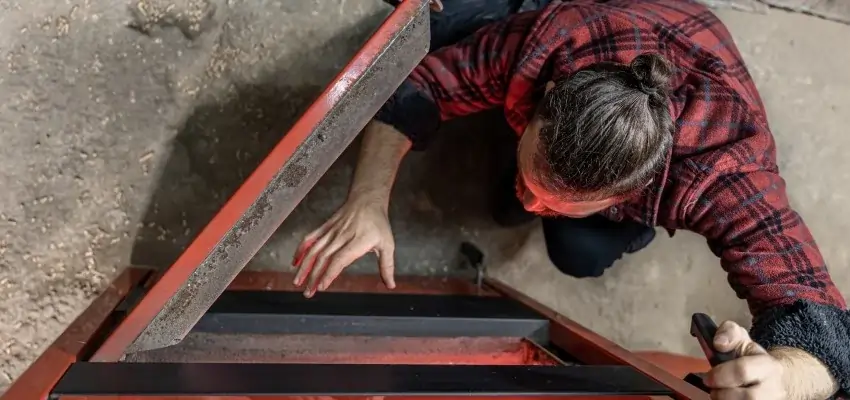
Check the parts that sat untouched all summer, the alarms and the wood supply; our own pre-season list is that short. Dampers can rust or stick, so work them open and closed. Caps and screens may have gathered leaves or a nest. Glass door latches and stove gaskets should still close snugly. A carbon monoxide alarm with a dead battery protects nobody, so test it. Then comes the fire itself: dry kindling, seasoned logs and a modest first burn while you watch how the smoke behaves. If it rolls into the room or smells odd, let it die down and call for a check.
Most fireplace safety comes down to daily habits. Use a screen or glass doors whenever a fire burns, never leave a fire unattended and make sure it is fully out before bed or leaving the house. Keep children and pets back from the hearth, and keep rugs, furniture and decorations a safe distance from the opening. Never use gasoline or other accelerants to start a fire. Keep a fire extinguisher nearby and test your alarms monthly. These habits work alongside a yearly “fireplace safety inspection” visit, which catches what you cannot see.
It turns into a to-do list: a failed inspection means specific fixes are needed, not that the fireplace is beyond saving. For each finding, we explain where it is, why it matters and how urgent it is, with photos so you can see it yourself. A missing cap or a sticky damper is a minor note. A cracked liner, a firebox with open joints or a mantel too close to the opening is something we ask homeowners not to use the fireplace with until it is fixed. For home sales, the report gives both sides a clear list to work from.
The questions that reveal the most are about scope and evidence: what is cleaned, what is inspected, how findings are shared and how extra work is priced. It is also reasonable to ask who will do the work, whether they handle masonry repairs themselves and how long any repair would need before the first fire. Asking how they deal with glazed creosote or a stovepipe that has to come apart shows quickly whether they have done it before. A technician who knows wood-burning systems answers each of these in a sentence or two, without hedging or upselling.
If another company gave you a recommendation that does not feel right, we are happy to take a fresh look. You will get our honest view of your fireplace, with no pressure either way. Ask Chimney Sweep Abbotsford for a second look in Abbotsford.
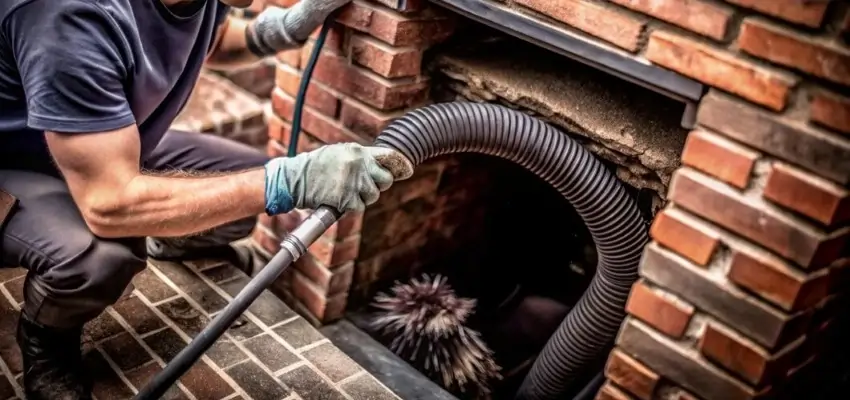
Flue last swept long ago? Chimney Cleaning in Abbotsford
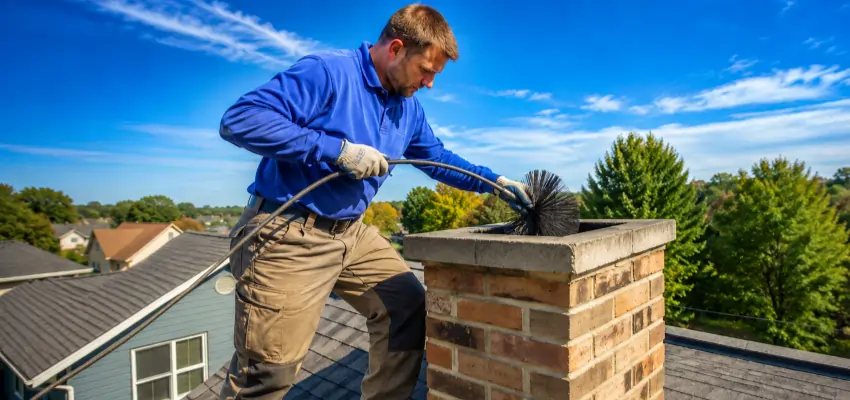
Creosote cleared, flue inspected: Chimney Sweep for Abbotsford
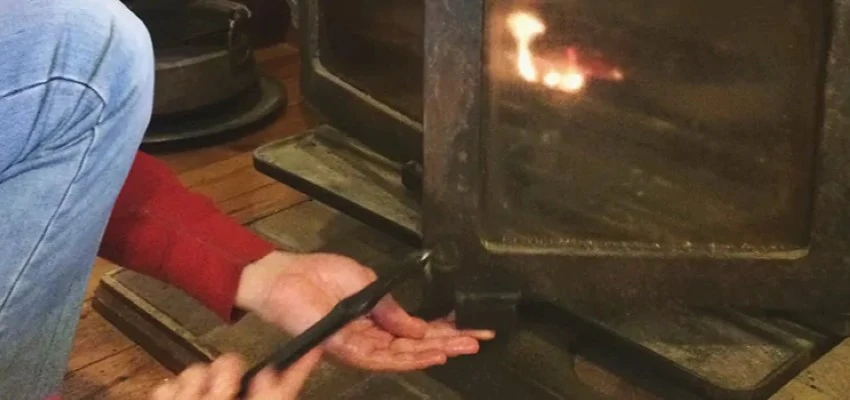
From roof cap to firebox, Chimney Sweep Services in Abbotsford
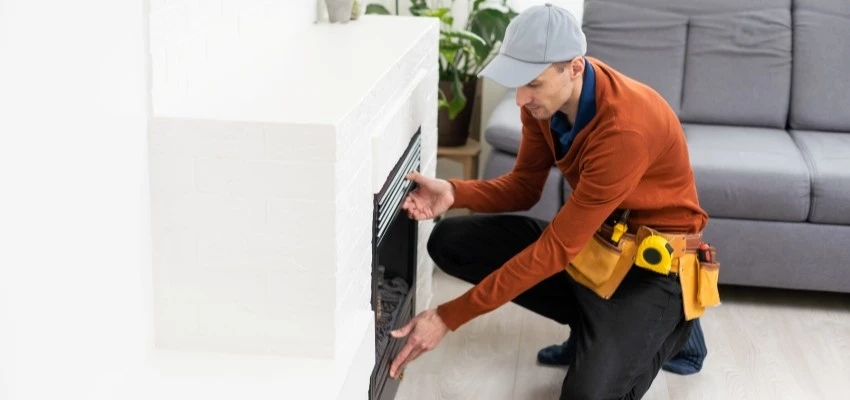
Ready for the season with Fireplace Experts in Abbotsford
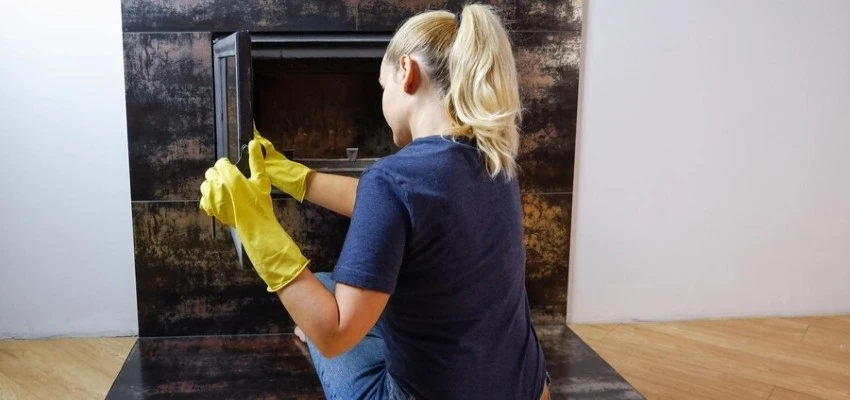
Control area vacuumed during Gas Fireplace Cleaning
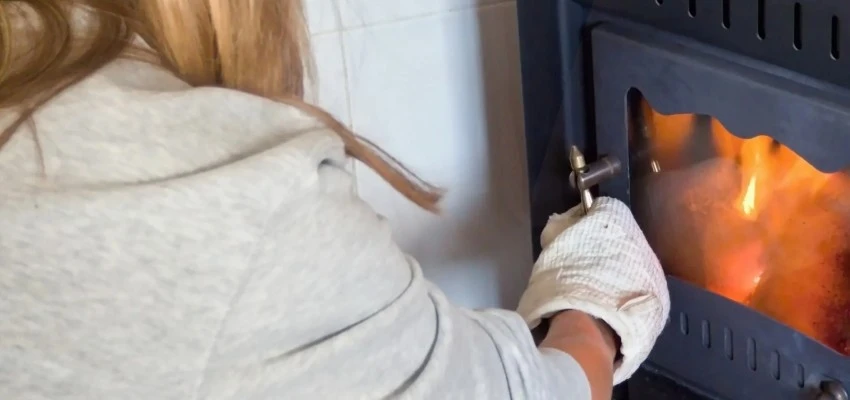
Yearly Gas Fireplace Maintenance in Abbotsford, before the cold arrives