Fireplace vocabulary can be confusing: firebox, throat, smoke chamber, surround, hearth extension. This page cuts through it. If you are in Abbotsford and found us by looking up “fireplace mantel services”, you will find straightforward explanations of fireplace mantel installation in everyday words, without jargon or pressure. Start with the parts that match your project and keep the rest for later, when the next question comes up.
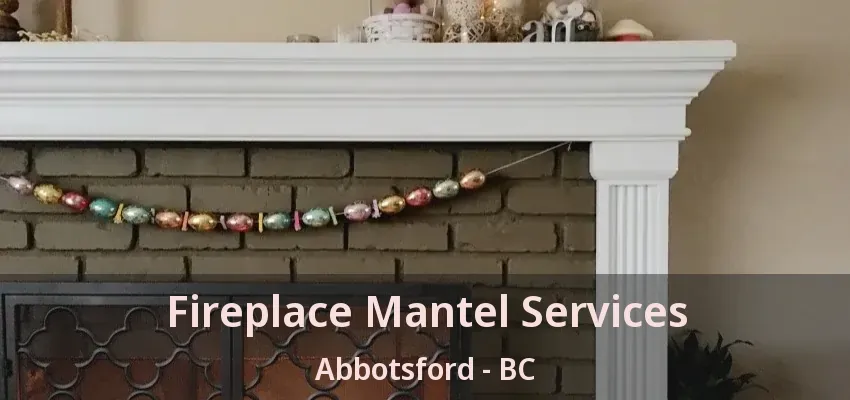
The main types are floating shelves, full surrounds and stone or cast mantels. A floating shelf is a single beam or box mounted above the opening on a hidden bracket, popular in rustic and modern rooms. A full surround frames the opening with legs and a shelf, often in painted or stained wood. Stone, cast stone and plaster mantels add weight and a more formal look, and reclaimed timber beams are another option. When you browse ideas after searching for “fireplace mantel services”, consider the projection of the shelf, because deeper mantels have to sit higher above the opening to stay clear of the heat.
Remodeling changes how a fireplace looks or what it burns, while repair restores parts that have worn out or been damaged. Refacing, a new mantel or a wood-to-gas conversion are remodeling jobs. Fixing cracked firebricks, a stuck damper, a deteriorated smoke chamber or rusted metal parts is repair. Many projects include both: a makeover often uncovers damage that should be fixed while the area is open, and a repair can be a good moment to update the finish. Knowing which kind of work you need helps you find the right people and compare quotes fairly.
The required distance depends on the fireplace and on local rules, and it usually grows the farther a mantel or trim projects from the wall. Wood, drywall and other combustible materials can dry out and eventually char if they sit too close to the opening, even without visible flames. For factory-built fireplaces and inserts, the installation manual lists exact clearances; for masonry fireplaces, local building rules set them. Noncombustible materials such as stone, tile and brick can come closer. A contractor should measure and confirm clearances before ordering a mantel or finishing a surround.
The visible mantel is the easy part; the support behind it does the real work. For a floating shelf, we fix a steel or timber cleat into solid masonry or the wall framing, check that it is level and strong, then fit the hollowed shelf over it. Stone mantels are heavier and may rest on corbels or need anchors set deep into the brick. Full surrounds are scribed to the wall so uneven brick does not leave gaps. Before drilling, we confirm the height meets the clearance your fireplace needs, since that decides where everything else goes.
Often it can, and it may be the more charming choice. Loose mantels can be re-anchored, split joints glued and clamped, missing trim pieces copied and worn finishes stripped and refinished or painted. Original mantels in older homes are frequently worth saving, since their size and detail are hard to match. Replacement makes sense when the wood is badly scorched, the mantel sits too close to the opening to meet clearances or the style no longer suits a remodeled room. If you are weighing options while researching “fireplace mantel services”, ask for both a repair and a replacement price.
Small repairs, such as replacing a few firebricks or fixing a damper, often take a single visit, while refacing, mantel work or a conversion can take several working days spread over a week or two. Masonry and mortar need time to cure before the fireplace is used, and some finishes must set before the next layer goes on. Ordering stone, tile, a mantel or a gas insert can add weeks before work starts. Ask for a schedule that shows working days, waiting time for curing or materials and the earliest date you can light a fire again.
Sometimes, and it is a question worth settling at the planning stage rather than afterward. Heat rising from the opening is the main concern, especially above a wood fireplace with no mantel to deflect it. During planning, we look at the fireplace type, the mantel depth and what the manufacturer allows above the unit. We also plan the mounting: lag bolts into framing or anchors into solid brick, and a recessed box for cables so nothing runs across warm stone. The last question is comfort, since a screen mounted high can strain the neck. We help homeowners weigh both.
Keep up the basics: have the chimney and fireplace inspected once a year and swept when needed, burn only dry, seasoned wood and keep the damper closed when the fireplace is not in use, unless it serves gas logs that need it open. Clean new stone or tile with products suited to the material, since harsh cleaners can stain or etch them. Avoid hanging heavy items from a new mantel unless it was built for that load. Check the firebox walls now and then for new cracks. A small problem caught early, like a single loose firebrick, is a quick fix rather than a project.
Ask to see their work, inside the firebox as well as on the wall. A company that does fireplaces well can show you finished surrounds and mantels, but also the less glamorous jobs: rebuilt fireboxes, parged smoke chambers and replaced dampers. Those pictures tell you it understands the working parts, not just the decoration. Listen for questions about your chimney and how you use the fireplace. A contractor who mentions an inspection before quoting, explains curing time and says which parts of the job go to a gas technician or other specialist is usually a safe pick.
Older homes often hide earlier repairs, odd layouts and materials that need a careful approach. Our technicians take the time to see how earlier work on your fireplace was done before recommending anything. Call (778) 909-5649 to talk about your home.
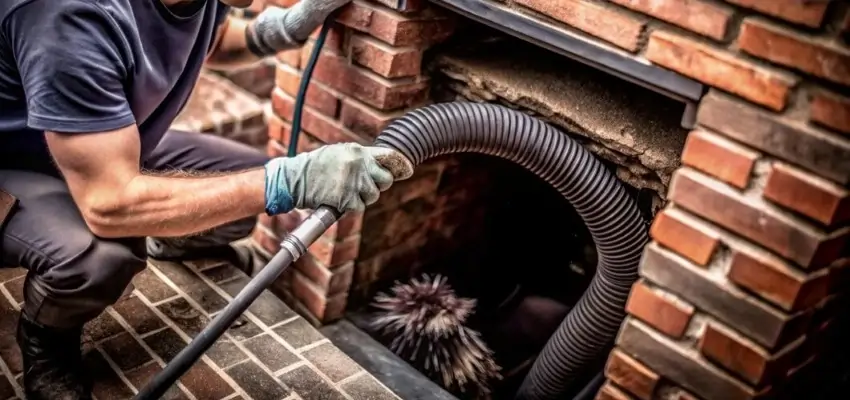
Flue last swept long ago? Chimney Cleaning in Abbotsford

Creosote cleared, flue inspected: Chimney Sweep for Abbotsford
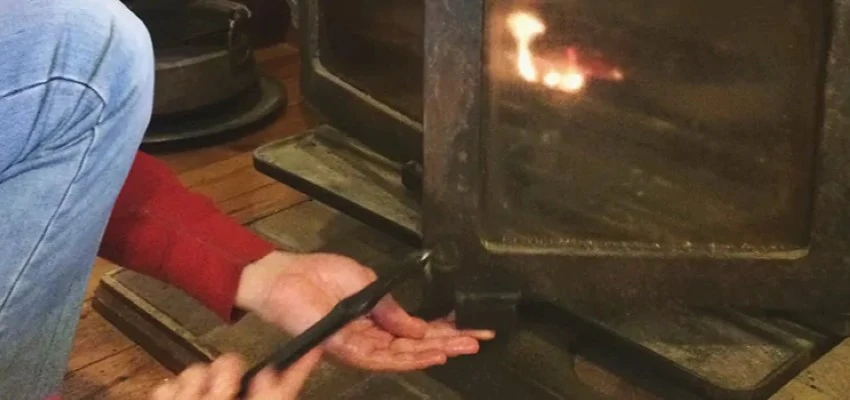
From roof cap to firebox, Chimney Sweep Services in Abbotsford

Ready for the season with Fireplace Experts in Abbotsford
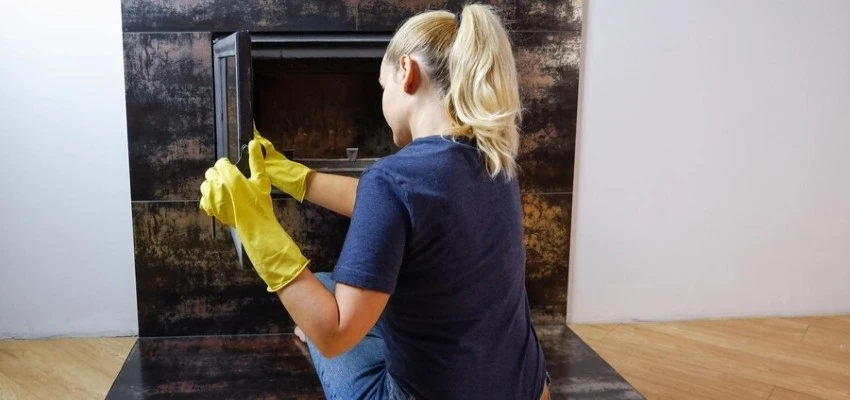
Control area vacuumed during Gas Fireplace Cleaning
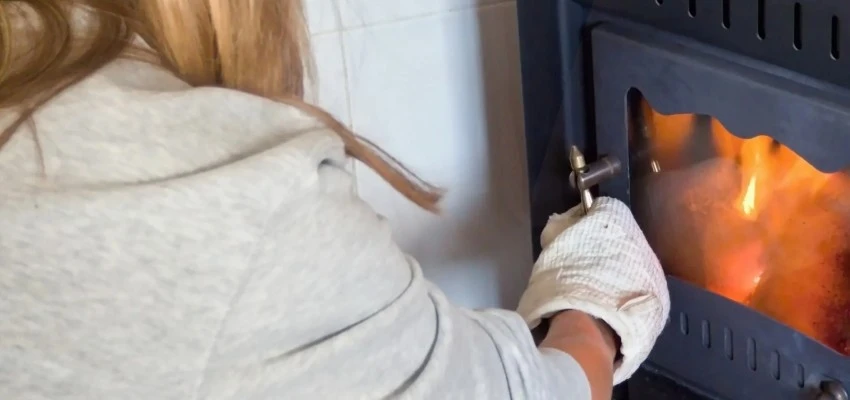
Yearly Gas Fireplace Maintenance in Abbotsford, before the cold arrives