Questions about safety, cost and timing come up whenever a homeowner thinks about a fireplace or stove. If you landed here after searching for “fireplace maintenance”, you will find those questions answered one by one, in roughly the order most people ask them. The focus is on fireplace maintenance for homes in Abbotsford, with honest detail about what a technician does, what affects the work and what you can safely handle between visits.

Smoke comes into the room when the chimney is not pulling air upward strongly enough, and the cause is usually one of a few things. The damper may be partly closed, the flue may be cold when the fire is lit, or a nest, debris or heavy creosote may be blocking the path. Strong kitchen or bathroom fans and very airtight homes can also pull air down the chimney. Open the damper fully and crack a nearby window when lighting the fire. If smoke keeps spilling, stop using the fireplace, have it checked and make sure your carbon monoxide alarms work.
A fireplace or stove usually smells when it is not in use because creosote and soot in the flue give off odor, especially in humid weather. Moist summer air reacts with those deposits and makes the smell stronger, and rain coming down an uncapped chimney adds a damp, musty note. The house can make it worse: kitchen and bathroom fans or a running dryer can pull air down the chimney and into the room. A sweep removes most of the source, a cap keeps rain out and a tightly closing damper cuts the downdraft. A sharp, rotten smell is different and can mean an animal in the flue.
The signs fall into two groups: what you hear during the fire and what we find after it. A fast chimney fire is often described as sounding like a freight train or a jet engine, with popping as tiles and deposits heat up. In that moment, the only job is to leave the house and call the fire department. Afterward, we look for creosote that has swelled into a honeycomb texture, discolored or distorted metal, cracked liner sections and stains where smoke escaped through gaps. Those clues matter because a quiet chimney fire can damage a flue without anyone noticing.
The season matters mostly for scheduling: late spring and summer are often the easiest times to book, because demand is lower and any repairs can be finished well before you need a fire. Many homeowners still schedule in early fall as a pre-season check, and that works too, although calendars fill quickly once the weather cools. Booking soon after the burning season ends has a bonus: deposits come out before humid weather turns them into odors. If something already seems wrong, book when it suits you rather than holding out for a particular month.
Quotes vary because no two chimneys take the same time, equipment or care. A single-story home with a short chimney and light buildup is quick work. A tall or steep roof needs more setup and safety gear. Heavy or glazed creosote takes extra passes and different tools. A camera scan adds time but leaves you with a record of the flue. Findings then become their own items: a missing cap, a damper that will not close or loose firebrick are priced separately. That is why we ask a few questions about your fireplace before giving any figure.

A simple yearly routine covers most of what a wood-burning fireplace needs. Before the burning season, have the chimney inspected and swept as needed, test smoke and carbon monoxide alarms and stock dry wood. During the season, remove cold ashes regularly, keep the hearth clear and watch for smoke, odors or flakes falling from above. After the last fire, clean out the firebox, close the damper and consider booking any repairs for the warmer months. Following this kind of fireplace maintenance calendar keeps small issues small and makes each professional visit quicker.
Before the first fire of the season, make sure the chimney has been inspected and cleaned if needed, then run through a few quick checks yourself. Open the damper fully and look up with a flashlight for nests or debris. Test smoke and carbon monoxide alarms and replace batteries if needed. Check that the screen or doors work, that the area in front of the hearth is clear and that nothing flammable sits on or near the mantel. Have dry wood, a metal ash container and a fire extinguisher ready, and start with a small fire to warm the flue gently.
Thoroughly dry wood is what keeps a fireplace or stove burning cleanly, and dryness affects buildup more than anything else a homeowner controls. When we find heavy, tarry creosote, our first question is about the woodpile. Freshly cut logs hold a lot of water, and all of it has to steam off before the wood really burns, cooling the fire and sending sooty smoke up the flue. Species matters less than people assume; dry pine burns cleaner than wet oak. Buying wood early in the year, or checking it with a moisture meter before it goes into the fireplace, keeps sweeps light.
Clean glass doors only when they are completely cool, using a cleaner made for fireplace glass and a soft cloth, since abrasive pads scratch the surface. Check that the doors open, close and latch smoothly and that the frame is not sagging or separating from the opening. Follow the door maker’s guidance on whether the doors should be open or closed while a fire burns, because some glass is not meant to face a roaring fire with the doors shut. Inspect mesh screens for tears or gaps that could let sparks through, and replace damaged ones before the next fire.

If you can safely snap a picture of what worries you, mention it when you get in touch. It helps the technician bring the right tools and plan the visit. Reach out to Chimney Sweep Abbotsford and we will tell you how to share it.
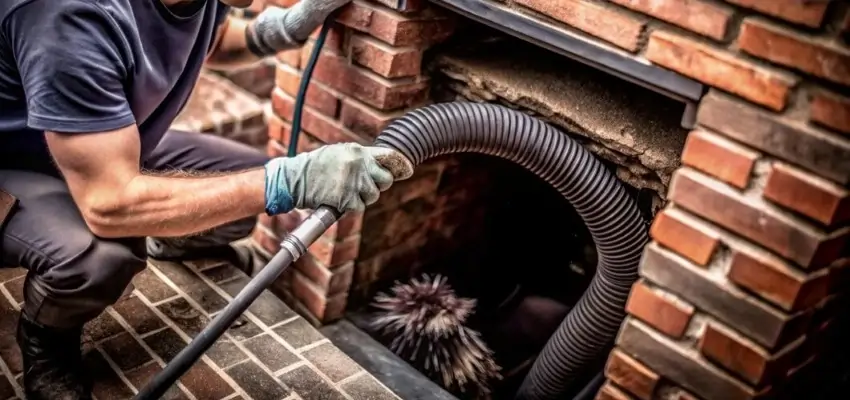
Flue last swept long ago? Chimney Cleaning in Abbotsford
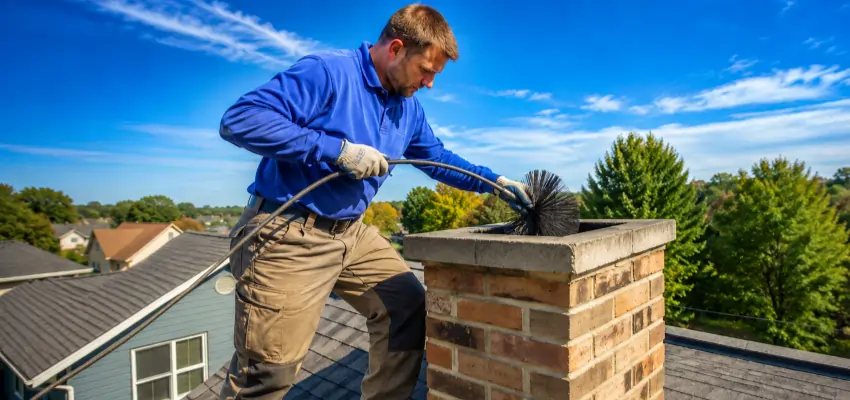
Creosote cleared, flue inspected: Chimney Sweep for Abbotsford
From roof cap to firebox, Chimney Sweep Services in Abbotsford
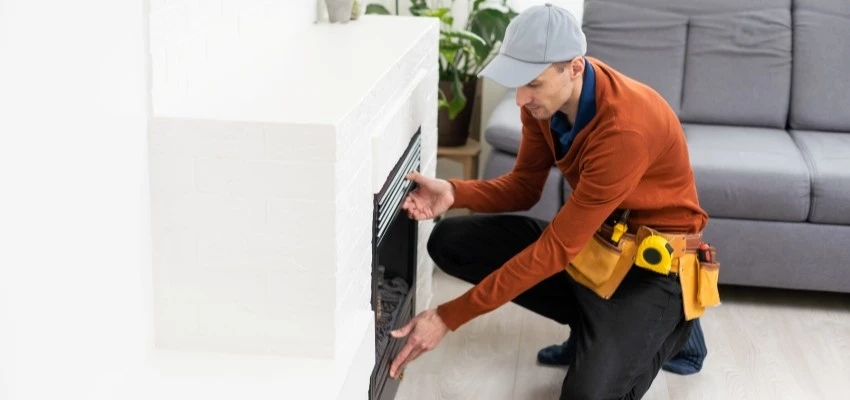
Ready for the season with Fireplace Experts in Abbotsford
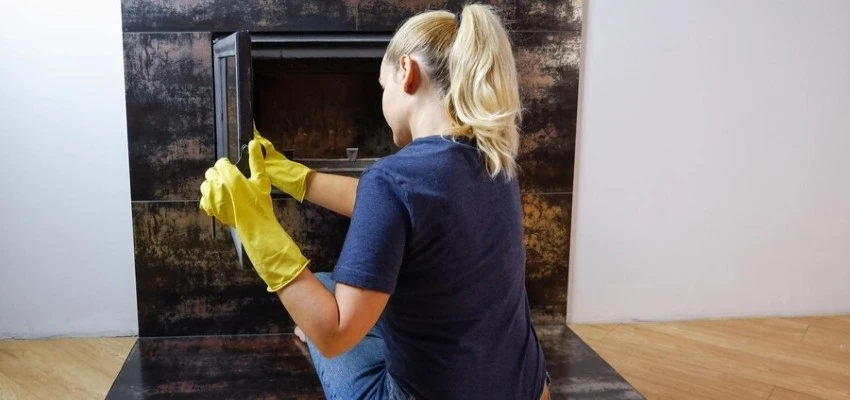
Control area vacuumed during Gas Fireplace Cleaning
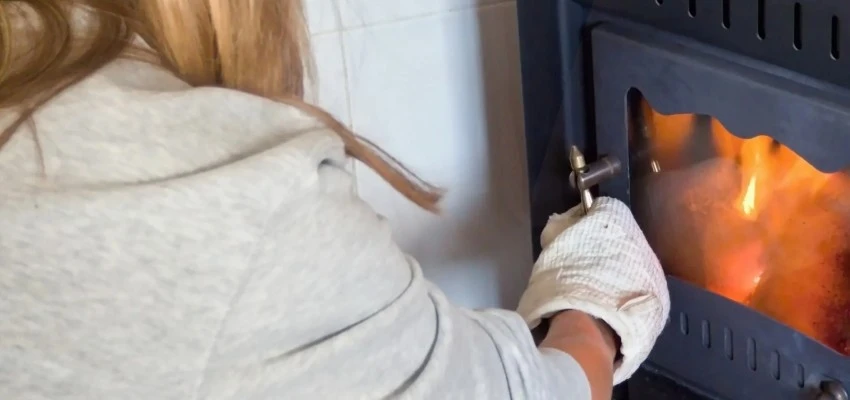
Yearly Gas Fireplace Maintenance in Abbotsford, before the cold arrives