Advice about wood fires tends to swing between extremes. One neighbor never has the chimney touched, while another is told every hairline crack is a disaster. Neither helps much when you are trying to decide what your own fireplace needs. If you searched for “fireplace inspection”, the answers here aim for the practical middle, explaining fireplace inspection for homes in Abbotsford with enough detail to make a confident decision.
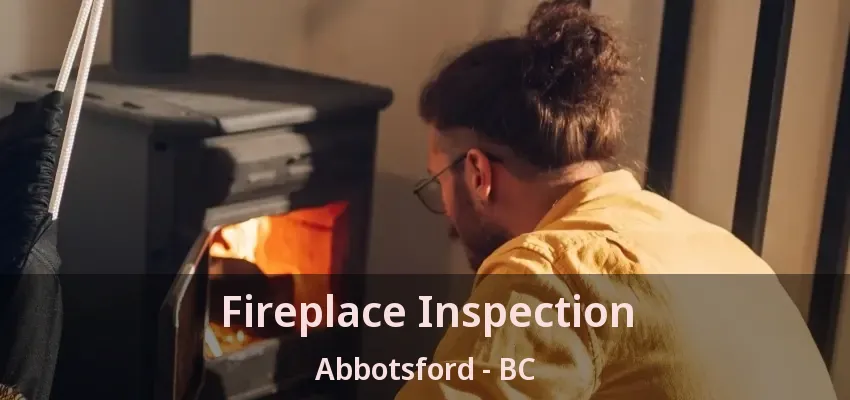
A sweep removes soot and creosote, while an inspection checks the condition of the fireplace or stove and the chimney it vents into. Cleaning tells you how much buildup there was; an inspection tells you whether everything is sound and set up correctly. Many homeowners book both together, because a clean flue is easier to examine and the technician can spot cracks, gaps or worn parts that the deposits were hiding. If you can only schedule one, start with an inspection, since it shows whether a sweep or a repair is needed at all.
Creosote is unburned fuel: tiny droplets of tar and gas that leave the fire, cool on the way up and stick to the flue walls. We grade it by texture on every job. A light, powdery coat brushes away easily. A thicker, flaky or bubbly layer takes more effort and tells us fires are running cool or the wood is wet. A glossy, glazed coating is the one that concerns us, because it is stubborn to remove and burns intensely if it catches. Where we find heavy deposits, we talk through wood and burning habits, since changing those is what slows the next round of buildup.
It can be, but only after a proper inspection and cleaning. A fireplace or stove that sits idle for years often collects things that make the first fire risky: bird or animal nests, leaves, fallen debris and old creosote in the flue, rust on the damper and cracks that formed as the masonry went through many seasons of heat and cold. Water may also have damaged the cap or crown. Have a technician inspect and clean the system, test the damper and look up the full flue before you light anything, so the first fire back is pleasant rather than smoky.
It often should, because some of the most important clues sit outside the living room. Where the chimney passes through an attic, the technician can check for water stains, scorched wood or framing too close to the masonry. On the roof, the crown, cap, flashing and upper brick show how well the chimney sheds weather. Some inspections are limited to what can be reached from inside, so ask what a “fireplace inspection” visit from each company covers. If the attic or roof is skipped, the report should say so clearly.
A fireplace inspection checks every accessible part of the system for damage, blockages and unsafe setup. That usually covers the firebox, firebrick and mortar, the damper, the smoke chamber, the visible flue liner, the hearth and the area around the opening, plus the chimney exterior, crown and cap. The technician also looks at how close mantels and wood trim sit to the opening and whether the hearth in front extends far enough. A camera often helps with hidden parts of the flue. You should receive clear findings, ideally with photos, that separate urgent issues from items to watch.
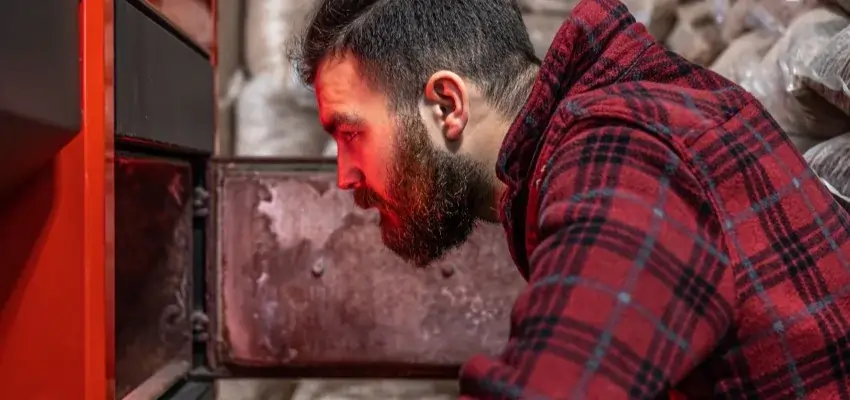
A visual check suits a fireplace that has been used and maintained regularly with no changes or warning signs. A camera scan is worth it when part of the flue cannot be seen, when there has been a chimney fire, a storm or a renovation, when a home is being bought or sold, or when smoke and odors have no obvious cause. The camera travels up the flue and shows cracks, gaps and deposits that a flashlight cannot reach. Ask the company which level of inspection they recommend for your situation and why.
The schedule depends on how much you burn and how cleanly, more than on the calendar. For a household with occasional fires, a yearly visit usually finds a light layer ready to come out. Someone heating with a stove every day may need cleaning before the season ends, especially if the wood is not fully seasoned. Signs between visits help too: black flakes on the hearth, slower starts and darker glass all suggest buildup is growing. Jot down the date of each sweep along with how heavy the deposits were, and after a season or two the right interval becomes clear.
Leave it largely as it is, apart from unburned logs and decorative pieces. We actually prefer to see the firebox before anyone tidies it, because what lies on the floor tells a story: black flakes suggest creosote breaking loose above, mortar crumbs point to joint wear and gritty debris can mean a crown or cap problem. Shoveling out warm ash is the one thing to avoid, since embers can survive in an ash bed for days. If the pile is overflowing and stone cold, removing some of it is perfectly fine.
If a fireplace does not pass an inspection, the technician has found something to fix before the next fire, and the report should say exactly what. Findings usually fall into three groups: issues that make the fireplace unsafe to use now, repairs to plan soon and items to watch. Stop using the fireplace for anything in the first group, such as cracked flue tiles, gaps in the firebox or a blocked chimney. Ask for photos, a written description and a repair quote for each item, and get a second opinion on major work if you want one.
A recent look at the parts of a home buyers ask about can make a sale go more smoothly. We can fit fireplace inspection around showings, inspections or move-in dates. Tell us your timeline and we will plan around it.
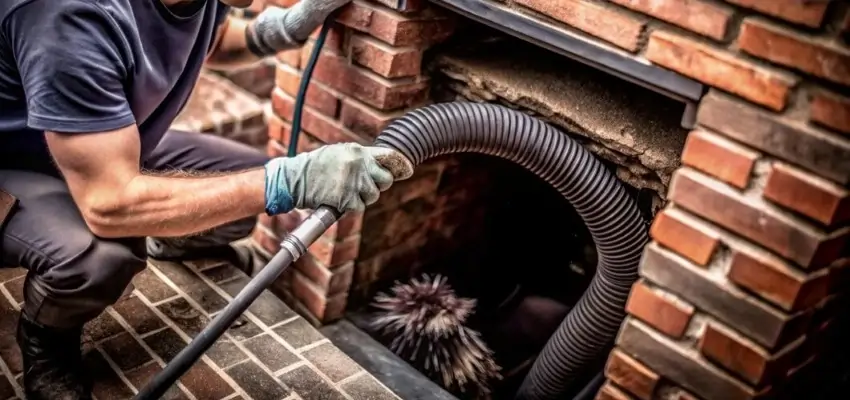
Flue last swept long ago? Chimney Cleaning in Abbotsford
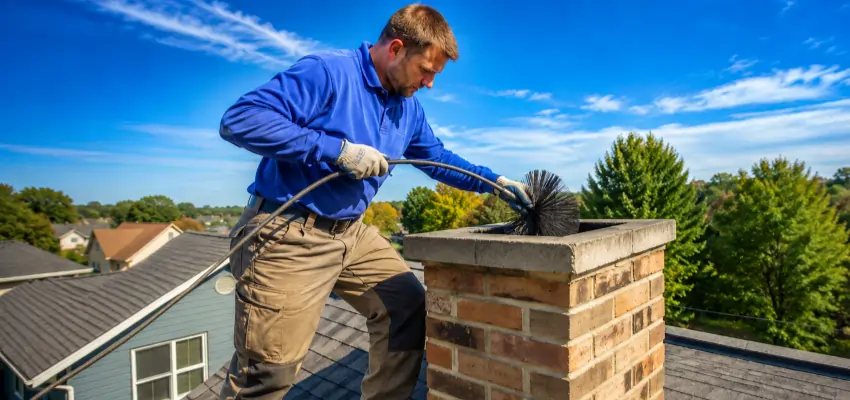
Creosote cleared, flue inspected: Chimney Sweep for Abbotsford
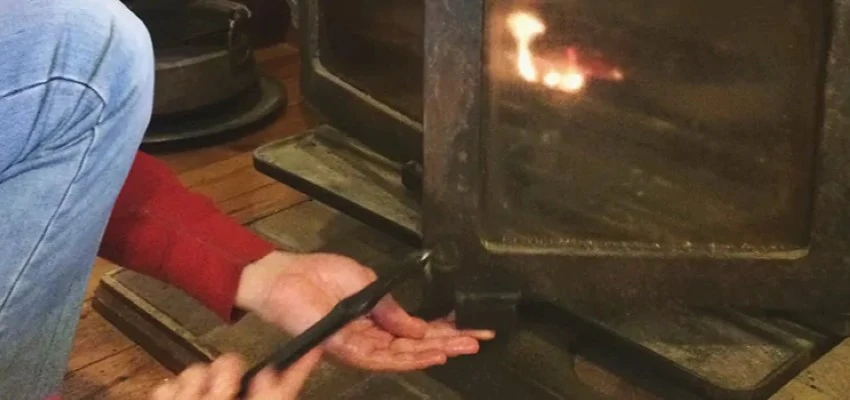
From roof cap to firebox, Chimney Sweep Services in Abbotsford
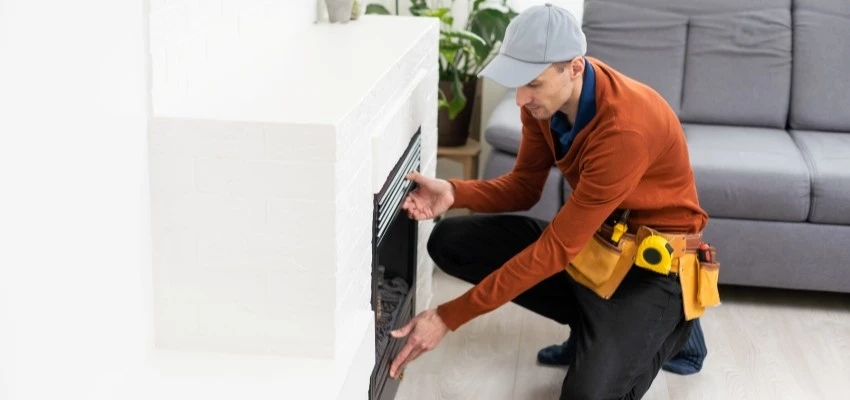
Ready for the season with Fireplace Experts in Abbotsford
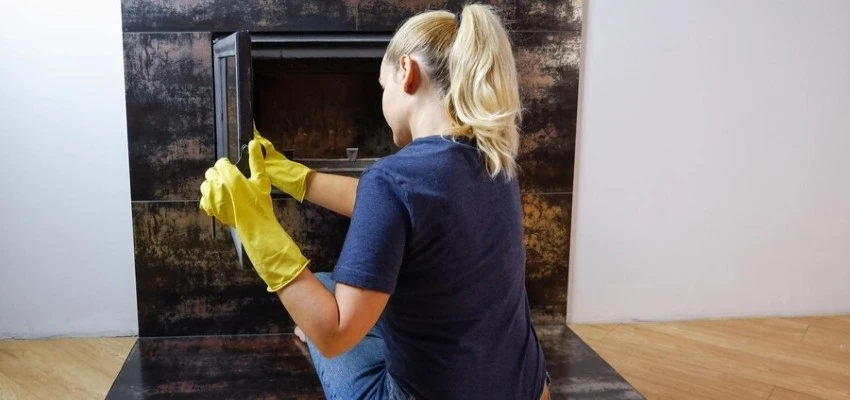
Control area vacuumed during Gas Fireplace Cleaning
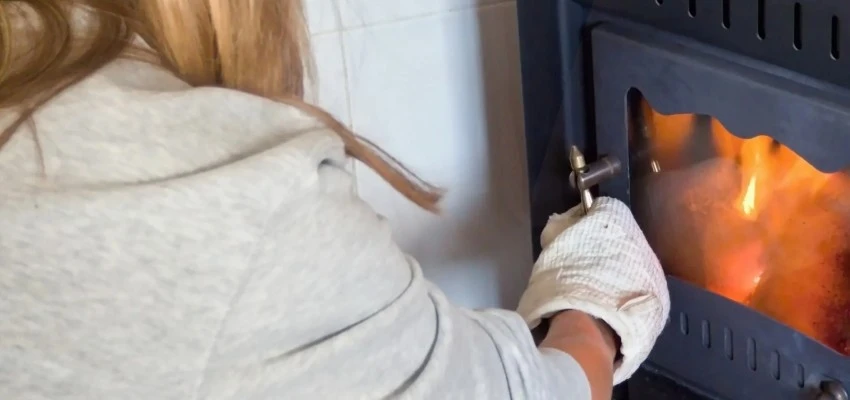
Yearly Gas Fireplace Maintenance in Abbotsford, before the cold arrives