Plenty of people around Abbotsford inherit a fireplace or wood stove along with a house and have no idea when anyone last looked at it. Typing “fireplace experts” into a search bar is a sensible first move. The questions below are the ones homeowners raise most often about fireplace service, answered in plain language and with the reasoning behind each answer, so you can judge what applies to your home and what does not.

They are two different jobs, and we usually do them in the same visit. Sweeping is physical work: brushes and a vacuum clear the flue and everything between it and the fire until the surfaces are clean. Inspecting is looking and judging: we check for cracked flue tiles or firebrick, open mortar joints, a damper that no longer seals, a missing cap and combustible trim sitting too close to the heat. Doing both at once makes sense, because a freshly brushed flue reveals defects that a coated one conceals. The inspection notes are what tell you whether the fireplace is ready for the season.
The type decides how the fireplace is cleaned, repaired and judged. A masonry fireplace is built on site from brick, block and stone with a clay or metal liner, and it can be rebuilt piece by piece with refractory materials. A factory-built fireplace is a manufactured metal unit with refractory panels and a matching metal chimney, and it must be repaired with parts made for that model. Mixing the two approaches causes problems. An experienced technician identifies the type within minutes, often from the firebox lining, the flue shape and the chimney on the roof.
A fireplace or stove needs cleaning when the flue turns matte black and furry with deposits, or when fires start losing their pull. We judge it by thickness and texture, but homeowners can spot the effects from the hearth. Fires get lazy, drafts weaken and the room picks up a stale smell between uses. In stoves, the glass blackens faster and the baffle collects a crust. Heavy users often reach that point before the season ends, while occasional users may go a full year or more. When in doubt, a quick inspection settles it without guesswork.
During a fireplace sweep, the technician cleans the full smoke path from the firebox to the top of the chimney while keeping soot out of your room. A typical visit starts with drop cloths and a sealed opening, with a vacuum running to hold fine dust back. Brushes on flexible rods are then run through the flue, from below, from the roof or both. The smoke shelf and smoke chamber above the damper are cleared, the damper is cleaned and tested, and ash and debris are removed from the firebox. You should get a short summary of what was found.
A routine cleaning or inspection usually takes about one to two hours, and a combined sweep and inspection can run a little longer. Time depends on how much creosote has built up, how tall the chimney is, whether the roof has to be accessed and whether a stovepipe must come apart. Glazed deposits and any small repairs agreed on during the visit add time, while larger masonry work is normally scheduled separately. Plan to be home for the whole visit and allow a few minutes at the end to go over the findings. Describing your setup when booking helps the company estimate the time.

It depends on the chimney, and the decision is made on the day. Plenty of flues are swept from the firebox upward with rods, which keeps us off delicate roofing. We still like to see the top, because the cap, the crown and the last few feet of flue are where weather and animals cause trouble. On steep or slippery roofs, we may set a ladder at the eave and use a camera instead of walking the surface. Rain, ice and strong wind mean the roof portion waits for a better day. Either way, you should hear what the top looks like, not just the bottom.
Remove ashes only when they are completely cold, using a metal shovel and a metal container with a tight lid. Ashes can hide live embers for several days, so wait well after the last fire and stir them gently to check for warmth. Set the closed container outside on a non-combustible surface, away from the house, decks and anything that burns, and never put ashes in a paper bag, plastic bin or household vacuum. In an open fireplace, a thin bed of ash can help the next fire, while stoves need more regular emptying so air can reach the coals.
Local knowledge is the main reason: after enough visits in one area, we know its chimneys almost by heart. We learn which subdivisions have factory-built fireplaces from the same period, which older streets have unlined masonry flues and how local freezes, heat waves or storms treat crowns and caps. That background makes quotes more accurate and visits quicker. It also means Chimney Sweep Abbotsford is close by if something comes up later or you want a second look. For homeowners in Abbotsford, that familiarity usually saves time on the first visit and every one after it.
Real know-how shows in the questions asked and the explanations given. Someone experienced asks how often you burn, what wood you use and what you have noticed, then checks the firebox, damper, flue and cap before drawing conclusions. They explain draft, creosote and cure times in plain language and show photos instead of asking you to take their word for it. If you have been searching for “fireplace experts”, pay attention to whether the person can tell you why something happened, not just what to replace. That habit separates true experience from a sales visit.

We agree on the scope and the price before any work begins, and we check in with you if we find something that changes the plan. Request your quote for fireplace service and see exactly what is included for your home.
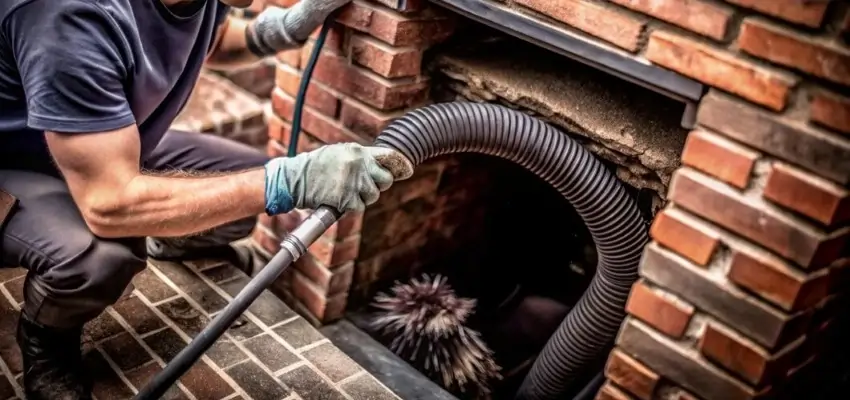
Flue last swept long ago? Chimney Cleaning in Abbotsford
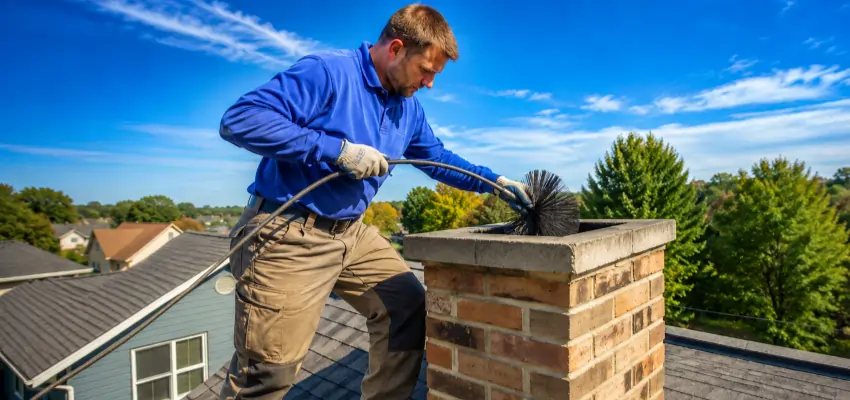
Creosote cleared, flue inspected: Chimney Sweep for Abbotsford
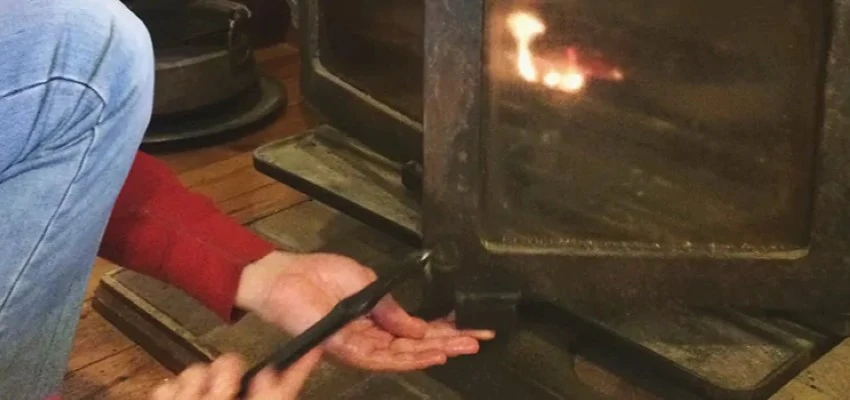
From roof cap to firebox, Chimney Sweep Services in Abbotsford
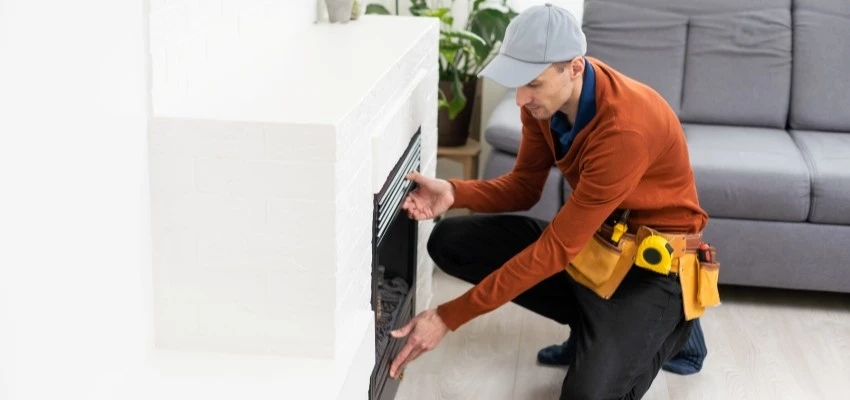
Ready for the season with Fireplace Experts in Abbotsford
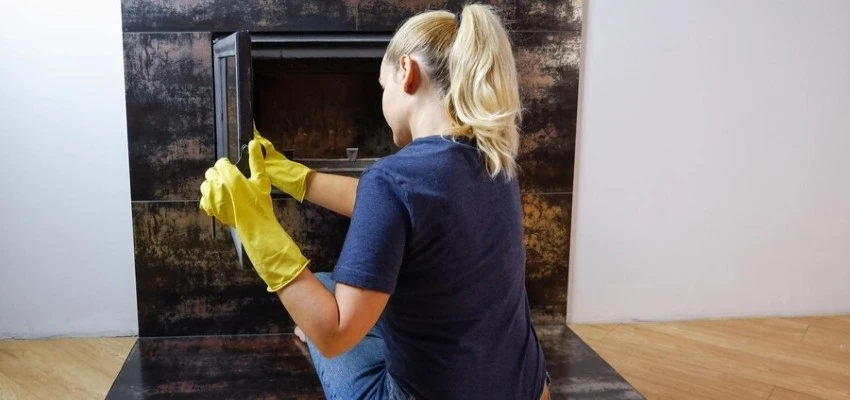
Control area vacuumed during Gas Fireplace Cleaning
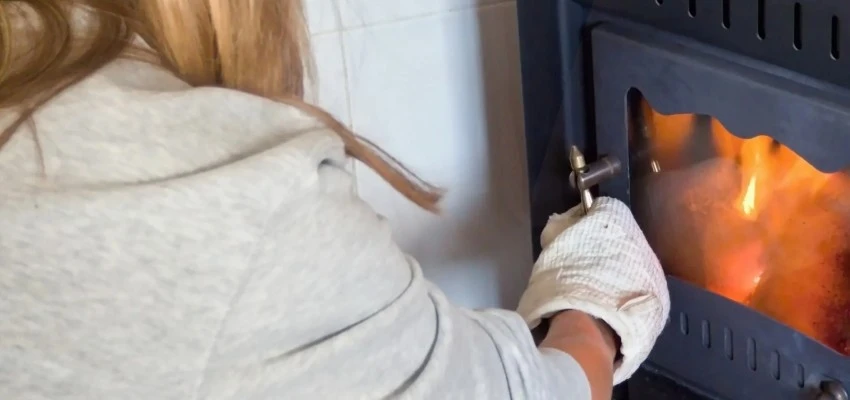
Yearly Gas Fireplace Maintenance in Abbotsford, before the cold arrives