Brick chimneys on older houses, insulated metal flues on newer ones, stovepipes, wood-fired ovens and boiler vents all move smoke the same basic way, yet each one ages differently. For property owners in Abbotsford researching “chimney service”, the answers that follow explain chimney care in practical terms, with notes on the setups that come up most often and the details worth mentioning when you call a company.

Gas leaves far less buildup than wood, so a chimney serving only gas needs much less cleaning, but it still needs a regular check. Creosote is rarely the issue. The risks are different: nests, leaves and fallen debris can block the opening, and the water vapor in gas exhaust can wear down masonry and old liners over time. A blocked or damaged flue can push carbon monoxide back indoors, so keep working CO alarms on every level. Leave burners, valves and pilots to a qualified gas technician, and if you ever smell gas, leave the building and call your gas utility from outside.
The phrase “chimney service” covers a range of work, and most companies offer it as a menu. The core is cleaning the flue, smoke chamber and firebox along with a visual or camera inspection. Common additions include fitting or replacing a cap, repairing or upgrading the damper, clearing nests or debris, dealing with odors and making small masonry or crown repairs. Larger jobs, such as relining or rebuilding, are usually quoted on their own. When you call, describe what you want to achieve and ask which items are standard and which are optional, so the visit matches your needs.
Signs of a chimney fire include a loud roaring or popping sound, dense smoke, a strong hot smell and sparks or flames from the top of the chimney, but many chimney fires burn quietly and are only discovered later. Afterward you might notice puffy, honeycomb-like flakes of creosote on the roof or ground, a warped damper or cap, cracked flue tiles or discolored metal. If you think a fire is happening, get everyone outside and call the fire department. If you suspect one happened in the past, stop using the fireplace or stove until the chimney has been inspected.
On our visits the flue, smoke chamber, damper and firebox all get cleaned, working along the path of the smoke from the hearth up to the cap. We protect the floor and nearby furniture, seal the opening around our vacuum hose so dust stays contained, then work the flue with rods and a brush matched to the liner: stiff wire for clay tile, softer poly for stainless steel. The smoke chamber above the damper gets hand tools, because creosote clings to its sloped walls. Before and after, we look at the flue condition, often with a camera. At Chimney Sweep Abbotsford, the visit ends with a short walkthrough of what came out, how heavy it was and anything we would keep an eye on.
About an hour covers a typical single flue; when a visit runs longer, the chimney is almost always the reason. Laying drop cloths, setting up the vacuum, sweeping, cleaning the smoke chamber and packing up form the core. A wood stove or insert adds time because pipes and baffles come apart. Steep or slippery roofs slow everything down, since roof safety is not something we rush. Heavy creosote or a camera inspection add more. When we book, a few questions about the appliance and the roof let us give you an arrival time and an honest estimate of how long we will need.

Preparing for a chimney visit mostly means letting the fireplace or stove cool and clearing space around it. Skip fires for at least a day beforehand so the ashes and flue are cold. Move furniture, rugs, screens and decorations a few feet back from the hearth, and take fragile items off the mantel. Outside, make sure the technician can reach the roof: unlock gates, move vehicles away from the walls where a ladder may go and keep pets indoors. Note anything unusual you have noticed, such as smells, sounds or smoke, and have the date of the last cleaning handy if you know it.
You can handle simple upkeep yourself, but the sweeping is usually a job for a professional, and creosote sweeping logs only loosen some deposits rather than replacing a real cleaning. Safe tasks include removing cold ashes, keeping the hearth clear, looking up the flue with a flashlight when the fire is out and checking the cap from the ground with binoculars. Full sweeping means roof work, brushes matched to the liner and a way to contain soot indoors, and it skips the inspection a trained technician does at the same time. Leave anything involving the liner, masonry or gas parts to professionals.
A simple log makes each visit more useful. Note roughly how many fires you have had, what wood you burned and whether it was fully dry. Jot down any smells, smoke in the room, sounds in the flue or water stains near the chimney, along with the date. Check the cap from the ground after big storms and note anything that looks bent or missing. Keep the reports from previous visits together. Sharing that history during your next “chimney service” appointment helps the technician spot trends instead of judging the chimney from a single day.
When we find damage, our job is to show it, explain it and let you decide, and you should expect the same from anyone. We take photos or footage, point out the exact spot and describe what happens if it is left alone. Some findings, such as a flue tile cracked by heat, mean the appliance should not be used until it is repaired. Others, like light flaking on a brick face, can be monitored for a season. We price each item separately in writing so nothing is bundled vaguely. If you want time to think or another opinion, that is completely reasonable.

Our technicians work in homes across Abbotsford and the surrounding area. When you reach out, we confirm a convenient arrival window, explain what the visit includes and answer any last questions before anyone arrives. Pick a time that suits you and we will take it from there.
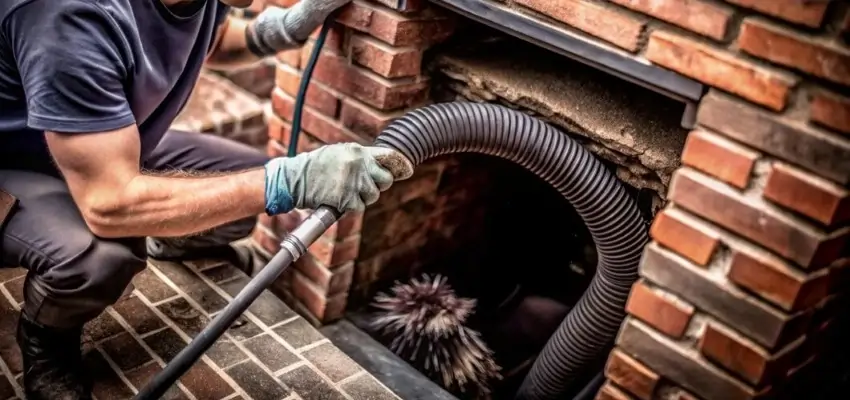
Flue last swept long ago? Chimney Cleaning in Abbotsford
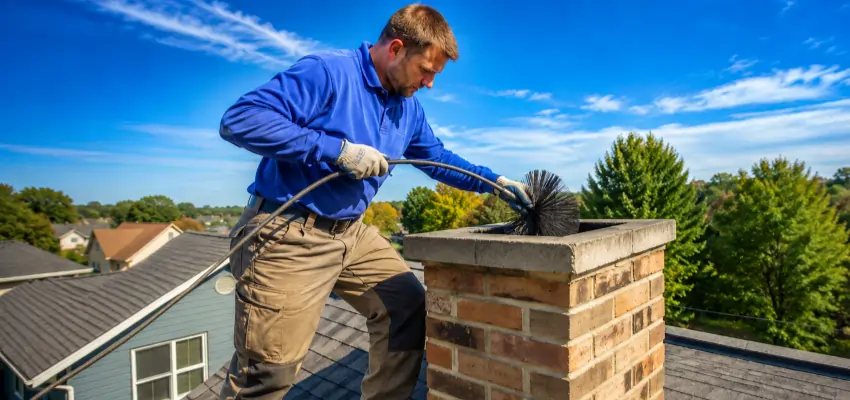
Creosote cleared, flue inspected: Chimney Sweep for Abbotsford
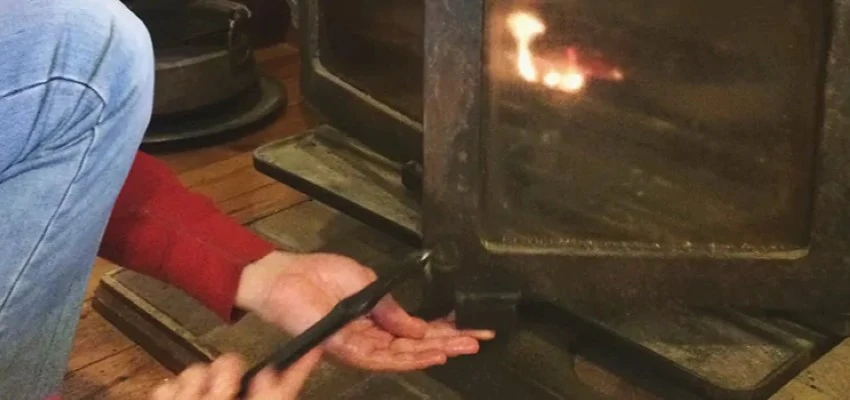
From roof cap to firebox, Chimney Sweep Services in Abbotsford
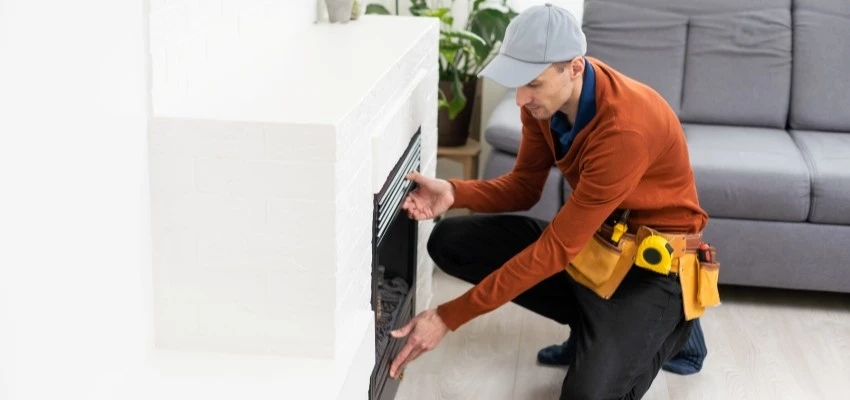
Ready for the season with Fireplace Experts in Abbotsford
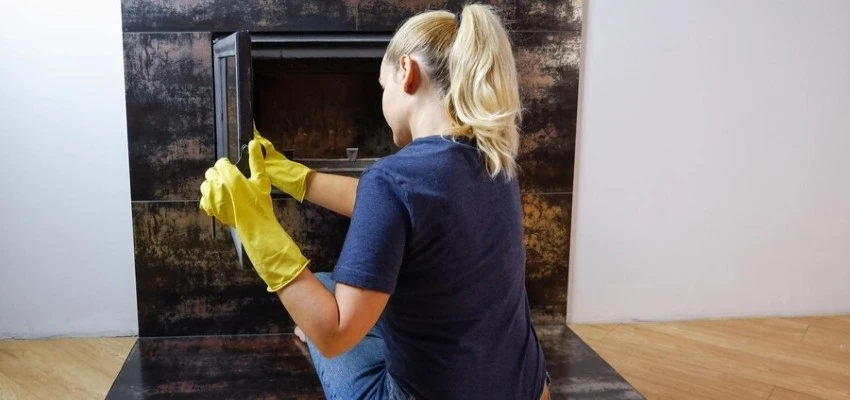
Control area vacuumed during Gas Fireplace Cleaning
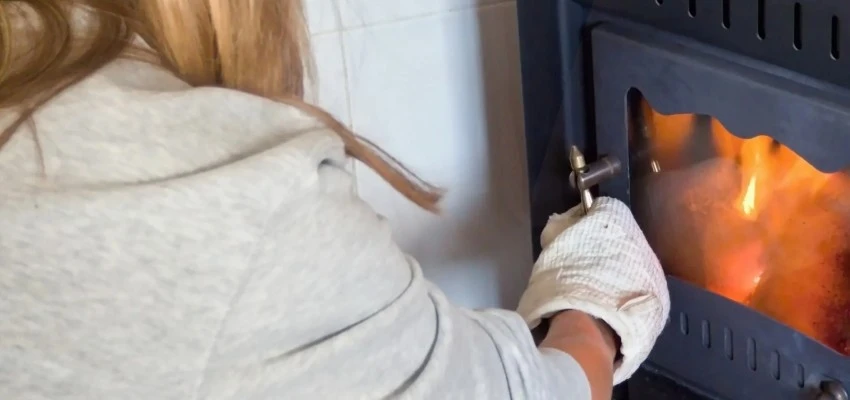
Yearly Gas Fireplace Maintenance in Abbotsford, before the cold arrives