Think of this page as a reference you can come back to. It collects common questions about chimney rebuilding from homeowners around Abbotsford and answers each one directly, with the reasoning behind it. Whether you landed here after typing “chimney rebuild services” or someone who recently had their chimney fixed sent you the link, you should leave with a clearer idea of what needs doing, what can wait and what to ask before any work begins.
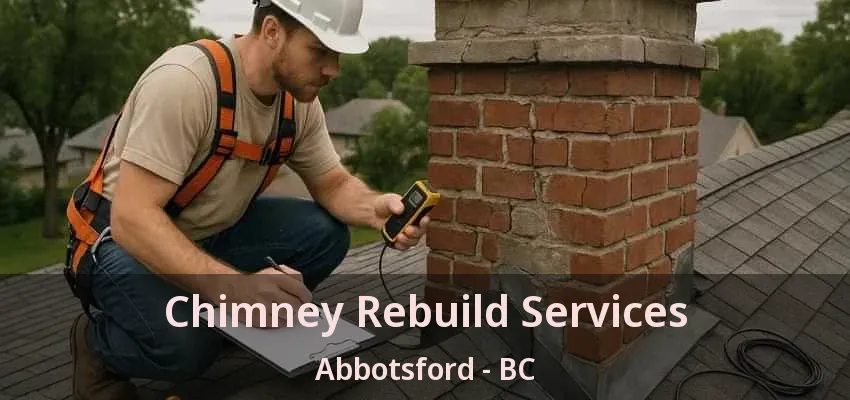
It depends on the damage, so the safe default is to hold off until someone has looked at it. Cosmetic problems on the outside, such as a stained brick face, rarely affect how a fireplace works. Damage inside the flue, a cracked liner, a damper stuck shut or a blocked vent is different, because smoke and hot gases may not leave the house the way they should. If you notice smoke spilling into the room, a strong smell or soot where there was none before, stop using the fireplace. Keep working carbon monoxide alarms on every level of the home either way.
Tuckpointing is the repair of worn mortar joints between the bricks of a chimney. The old, crumbling mortar is raked or ground out to an even depth, and fresh mortar is packed into the joints in layers, then shaped so water runs off the face. Strictly speaking, the word once described a decorative technique using two mortar colors, but today most people use tuckpointing and repointing to mean the same job. The aim is to seal the joints again so rain cannot soak into the chimney, which keeps the bricks tight and protects the structure for many more years.
A chimney needs tuckpointing when its mortar joints are cracked, recessed or crumbling. Look for joints that sit noticeably deeper than the brick face, sandy mortar that could be scratched out with a key, hairline cracks running along the joints and dark voids where mortar has fallen out. Grit collecting on the roof or in the gutter below the chimney is another clue. Binoculars from the ground or a photo taken from a safe window give you a good view without climbing. If more than a few scattered joints look this way, repointing is usually due.
Your chimney is most likely leaking at the crown, the flashing, the cap or through porous brick, though the stain rarely appears where the water gets in. Rain that slips past a cracked crown may travel down inside the masonry and show up at the firebox. Flashing leaks tend to stain the ceiling or the attic framing next to the chimney. An uncapped flue lets rain fall straight onto the damper, where it causes rust and a damp smell. Porous brick can wick moisture through the whole stack during long storms. We often test one area at a time with a hose, starting low and working up, so the repair targets the real entry point rather than a guess.
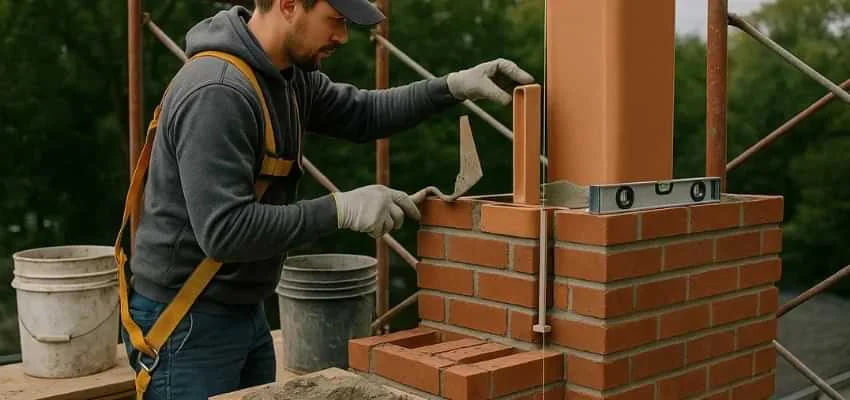
The crew sets up safe roof access, protects the shingles and takes the chimney down brick by brick to a solid course, usually somewhere near the roof. Usable bricks may be cleaned and set aside. The flue tiles or liner are then extended or replaced as the chimney goes back up in fresh mortar, course by course, to the right height. A new crown is formed on top, the flashing is renewed where the chimney meets the roof and a cap is fitted. Debris is lowered and hauled away rather than thrown. Most chimney rebuilding jobs at this scale take several days, depending on weather.
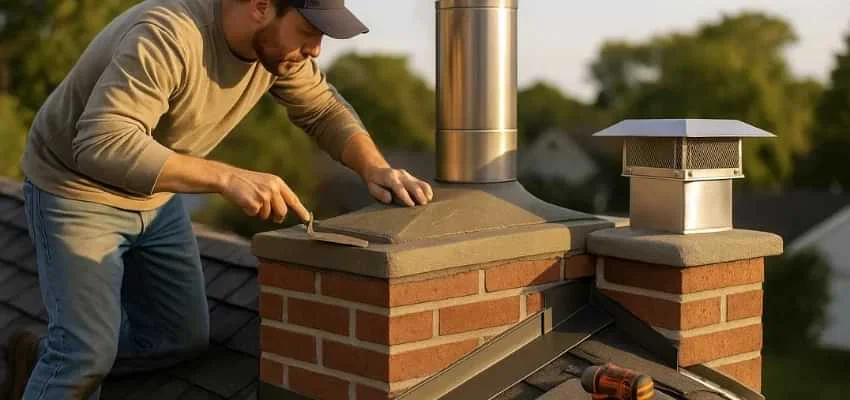
We run repairs in a set order: confirm, protect, fix, test, explain. Confirming means checking the chimney ourselves rather than relying only on the phone description, because the cause of a leak or a stuck part is not always where it seems. Protecting covers drop cloths inside and care around shrubs and shingles outside. The repair itself depends on the part involved. Testing might mean running water over new flashing, cycling a damper several times or checking draft with a little smoke. We finish by walking you through what we did and showing photos of areas you cannot see from the ground.
We suggest once a year for most chimneys, with extra visits after anything unusual. A yearly look from the roof and up the flue shows us how earlier repairs are holding and whether anything new has appeared. Events that justify an extra check include a strong windstorm, hail, a lightning strike nearby, a roofer working around the chimney and any time an appliance is added or swapped. A chimney you never use is not exempt; some of the worst weather damage we find is on chimneys nobody has looked at in years, simply because no one noticed the warning signs inside.
Sometimes. Bricks that come down intact, are not cracked or soft and can be cleaned of old mortar may be reused, which helps the new section match the rest of the house. Bricks that are spalled, crumbling or soaked with soot are usually discarded. When too few good bricks survive, the mason looks for new or salvaged bricks of similar size, color and texture. Because mortar color affects the final look as much as the brick, ask to see a sample. If matching the original appearance matters to you, mention it when you request quotes for “chimney rebuild services”.
A few direct questions reveal a lot about a chimney repair contractor:
Clear, specific answers are a good sign. If the replies stay vague or the price changes without explanation, it is reasonable to get another opinion before agreeing to the work.
You do not need to know the right terms before you call. Describe the problem in your own words and we will translate it into a plan for your chimney. Reach us at (778) 909-5649 or ask for a quote online, whichever is easier for you.
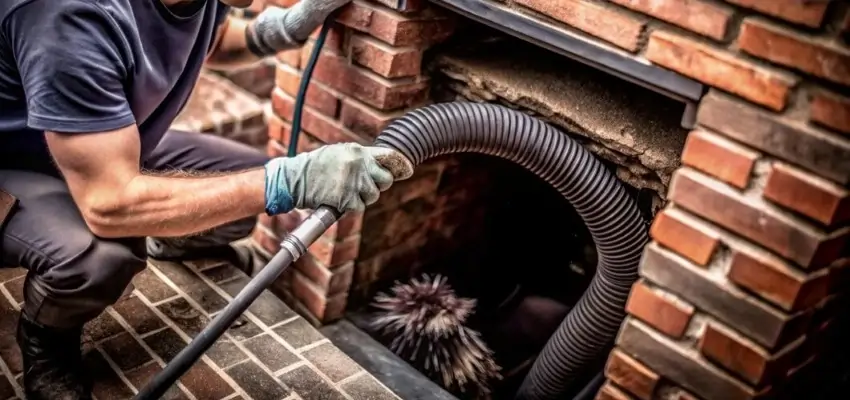
Flue last swept long ago? Chimney Cleaning in Abbotsford
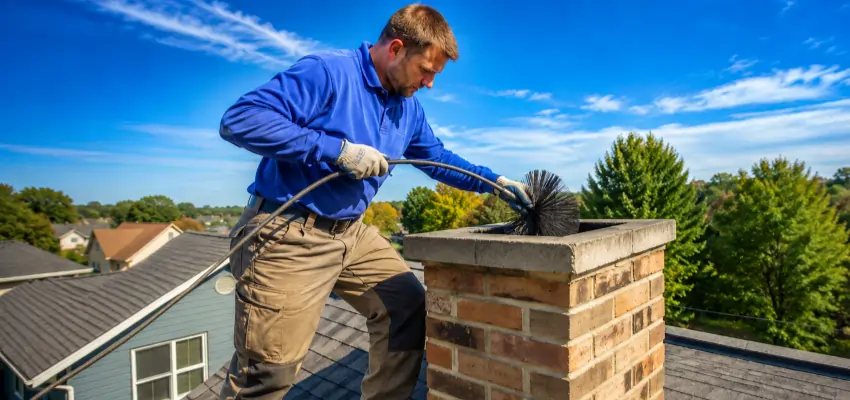
Creosote cleared, flue inspected: Chimney Sweep for Abbotsford
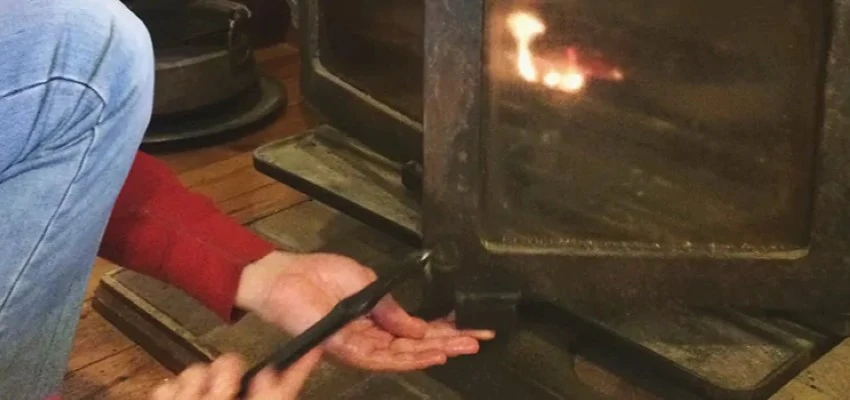
From roof cap to firebox, Chimney Sweep Services in Abbotsford
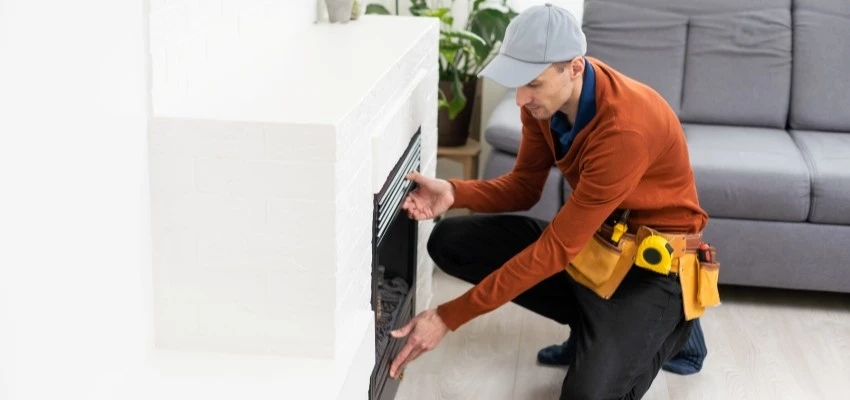
Ready for the season with Fireplace Experts in Abbotsford
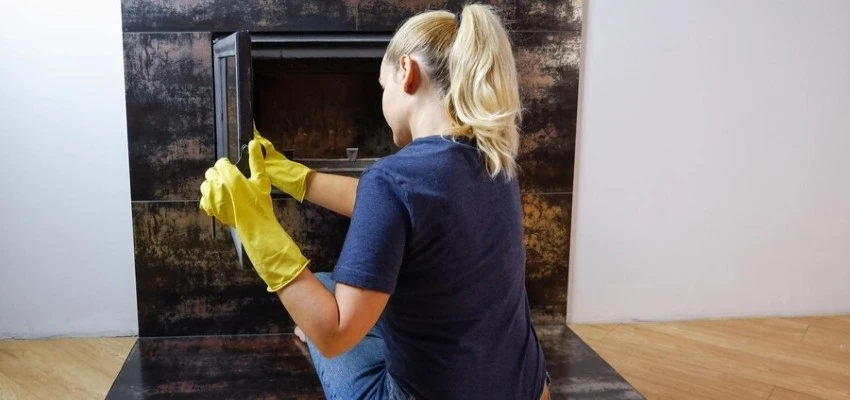
Control area vacuumed during Gas Fireplace Cleaning
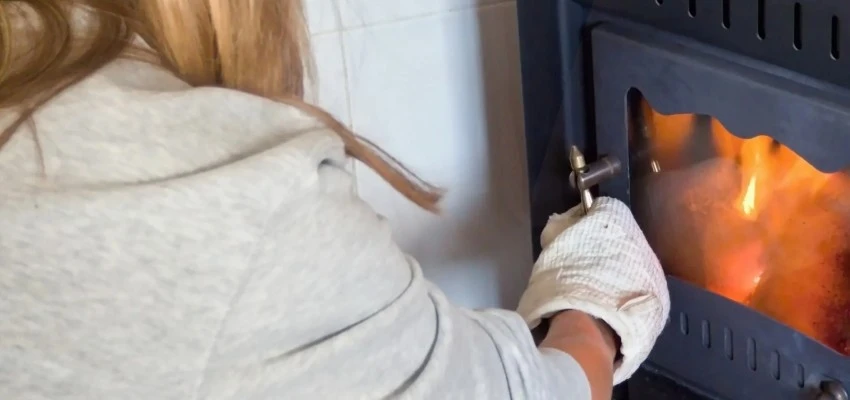
Yearly Gas Fireplace Maintenance in Abbotsford, before the cold arrives