Chimney work comes with its own vocabulary: crowns, chases, flashing, flue liners, dampers and more. You do not need to memorize any of it to make a sound decision, but a little background helps. If you looked up “chimney liner services”, the answers here turn the jargon into practical advice for homes in Abbotsford and explain what chimney liner service actually changes, so your conversation with any contractor feels a lot less like guesswork.
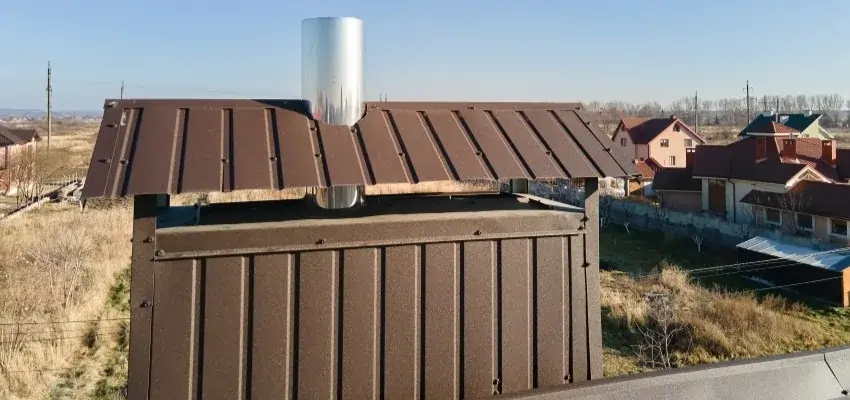
A chimney’s parts fall into three groups: the weatherproofing outside, the flue liner inside and the working parts at the bottom. Weatherproofing means the cap, the crown, the flashing and the face of the bricks and mortar. The liner is the channel that handles heat and corrosive exhaust. Down at hearth level are the pieces people actually touch, such as the damper handle, the firebox walls and the ash dump door. On a prefab system, a framed chase and its sheet metal top replace the brick. When we diagnose a problem, we trace it to one of these groups first, because that decides what the fix looks like.
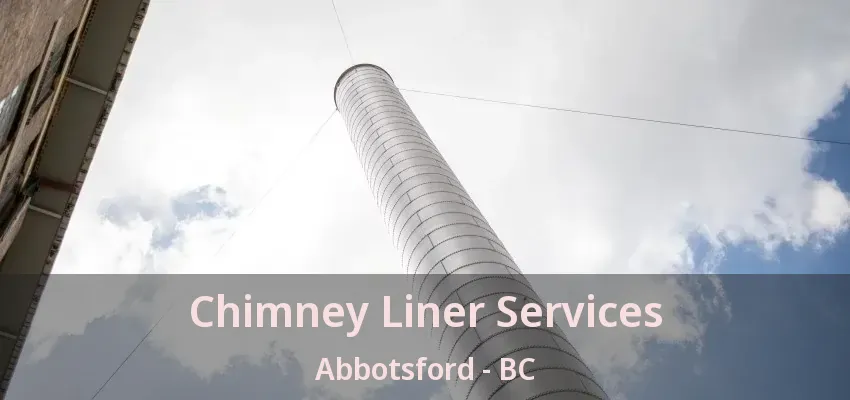
A chimney needs a liner because brick and mortar are not built to handle direct heat and corrosive exhaust on their own. The liner, whether clay tile, stainless steel or a cast-in-place material, forms a smooth channel inside the chimney that keeps heat away from nearby wood framing, contains sparks and stops acidic condensation from eating into the mortar. A properly sized liner also helps the fire or appliance draft well. Many older chimneys have clay tiles that have since cracked, and an unlined or damaged flue is generally considered unsafe to use until it has been repaired or relined.
Tile shards in the firebox, a smoky odor in the next room and draft that suddenly turns weak are the usual signs, but only a camera run up the flue shows the liner’s real condition. On that video we look for vertical cracks in clay tiles, gaps at the joints where mortar has fallen out, tiles that have shifted out of line and surfaces flaking from heat or acidic condensation. Stainless liners can corrode or separate at a connection. Settling of the chimney and old, unnoticed flue fires are common causes. Any of these clues deserves a proper look before the flue is used again.
Often it does. Every appliance needs a flue of the right size and material, and the old liner was sized for whatever used it before. A wood stove insert placed in a fireplace usually needs a stainless liner running from the insert to the top of the chimney. A gas furnace or water heater may need a smaller liner suited to its cooler, wetter exhaust. Skipping this step can cause poor draft, condensation damage or exhaust spilling indoors. When you plan an appliance change and look into “chimney liner services”, share the appliance details so the liner can be matched before installation day.
Clay tile, stainless steel and cast-in-place are the three options, and most relining jobs we do use stainless steel, because a sized, insulated metal liner can be dropped into an existing flue without tearing the chimney apart. We start by inspecting and cleaning the flue, then measure it to confirm what will fit and what the appliance needs. The liner is fed down from the roof, connected to the fireplace, stove or appliance at the bottom and sealed with a top plate and cap. Cast-in-place systems are an option when the old flue needs strengthening, and replacing individual clay tiles can work for limited damage. We explain which suits your flue and why.
A good stainless steel liner can last for many years when it is the right grade for the fuel, properly installed and kept clean. Lifespan shortens when a liner is undersized, when it serves an appliance it was not made for or when acidic condensation and creosote are left to sit inside it. Insulating the liner helps it stay warmer, which reduces condensation and buildup. Clay tile liners can also last a long time until a chimney fire or settling cracks them. Ask about the liner’s grade and the appliance it is meant for during chimney liner service, and keep the paperwork on file.
The cost of chimney repair depends mostly on the part being fixed, how much damage there is and how hard the chimney is to reach. A tall chimney on a steep roof needs more equipment and time than a short one on a gentle slope. Materials vary too: stainless steel, copper and custom-sized parts cost more than standard ones, and masonry work depends on how many joints or bricks are involved. Hidden damage found once work begins, such as rotted framing under a chase cover, can add to the total. A written quote that spells out the scope makes comparisons easier.
A few direct questions reveal a lot about a chimney repair contractor:
Clear, specific answers are a good sign. If the replies stay vague or the price changes without explanation, it is reasonable to get another opinion before agreeing to the work.
Choose a chimney repair company that inspects before it quotes, explains the cause of the problem and shows you evidence such as photos. A good company will tell you what it plans to fix, what materials it will use and what the work will not cover. Ask whether its own crew does the work, how it protects your home and roof and how it handles hidden damage found mid-job. Read recent reviews for comments about communication and clean-up. Be cautious about anyone who wants a large rebuild without showing why, or who only offers to coat everything with sealant.
That is a smart move. Ask each company what is included, how long the visit takes and what you will be shown afterward. We are happy to answer those questions in writing. Request a detailed quote from Chimney Sweep Abbotsford for your home in Abbotsford.
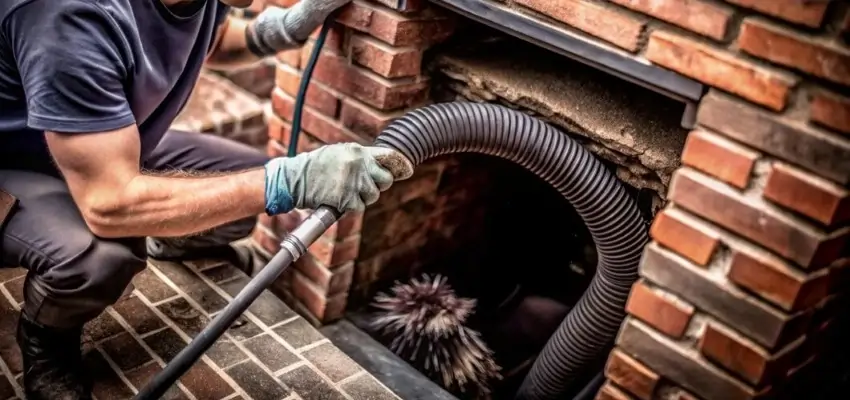
Flue last swept long ago? Chimney Cleaning in Abbotsford
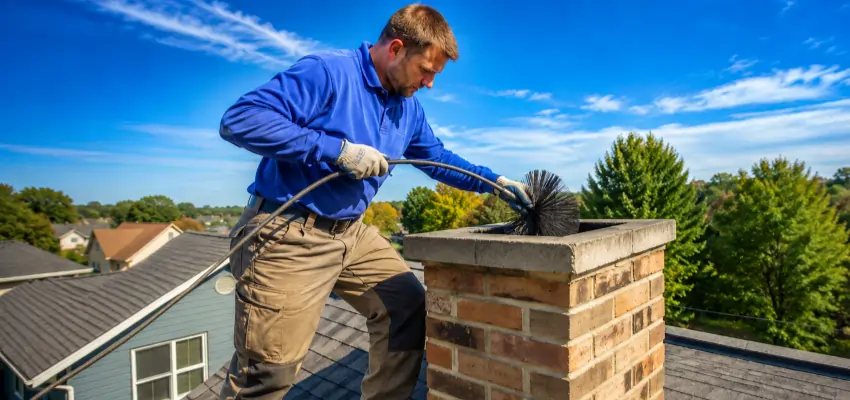
Creosote cleared, flue inspected: Chimney Sweep for Abbotsford
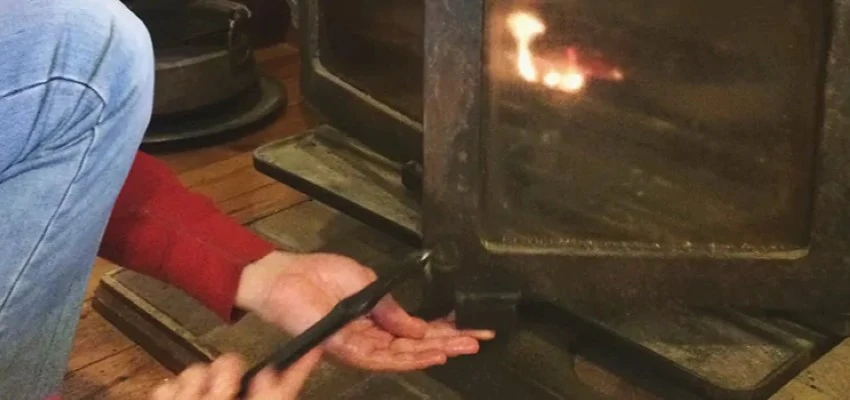
From roof cap to firebox, Chimney Sweep Services in Abbotsford
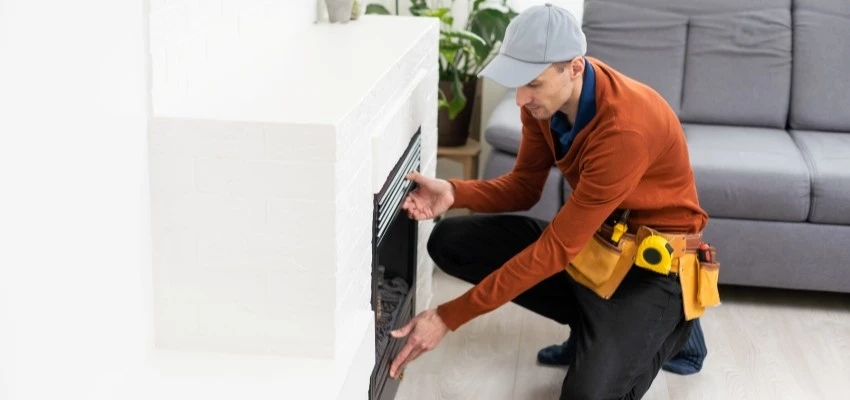
Ready for the season with Fireplace Experts in Abbotsford
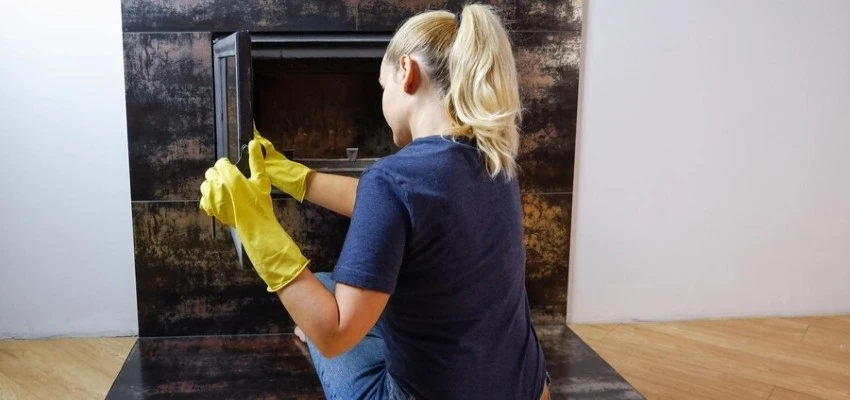
Control area vacuumed during Gas Fireplace Cleaning
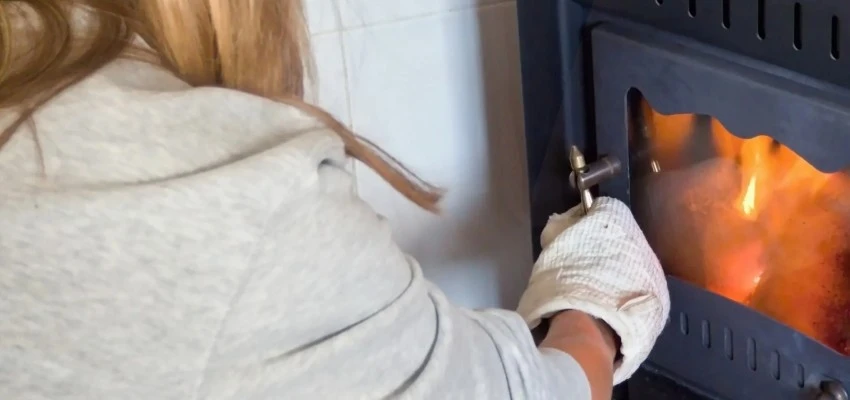
Yearly Gas Fireplace Maintenance in Abbotsford, before the cold arrives