Heating season has a way of arriving all at once, and so do the calls to chimney companies. Reading up early, as you are doing by searching “chimney inspection services”, gives you time to plan instead of scramble. Here are clear, practical answers about chimney inspection for properties around Abbotsford, each one short enough to read before you pick up the phone and specific enough to be useful once you do.

An unswept flue slowly narrows and fills with fuel for a chimney fire, and stopping that is the short version of why we sweep. On the job, the deposits we pull out range from light, dusty soot to crusty flakes and shiny, hardened tar. Each layer makes the next one easier to form, because a rough, narrowed flue cools smoke faster. A neglected chimney also hides its own damage, since nobody can see a cracked tile or a gap in the mortar through a thick coat of buildup. Clearing it is what lets us tell an owner in Abbotsford whether the fireplace or stove is ready to use.
A dedicated chimney check is worth arranging before you buy, because a general home inspection usually covers only what can be seen from the hearth and the roofline. The inside of the flue, where cracks and gaps hide, often goes unexamined. Ask the seller when the chimney was last swept and whether there were any repairs or past fires. A chimney technician can run a camera through the flue and give you a written summary before your inspection period ends. Finding a damaged liner or crown early gives you room to negotiate or plan a repair instead of discovering it after the first fire.
A camera earns its place on almost every visit, because the inside of a flue is the one part of a chimney nobody can see directly, and most serious problems start there. The camera head rides up on a rod with its own light, and the screen shows each joint and tile in turn. That is how we find the hairline crack two thirds of the way up, the liner section that slipped after a storm, or creosote packed above a bend in a stovepipe. Recording it matters too: when we recommend a repair, the footage lets the owner see exactly what we saw rather than taking our word for it.
The levels are a way of matching the depth of an inspection to the situation. Most annual visits we do are at the first level: we examine everything that is readily accessible and confirm the system is sound for continued use. We move to the second level whenever something has changed or might have, such as a new insert or stove, a building changing hands, a lightning strike or a known chimney fire, and that means video scanning plus checking accessible spaces around the chimney. The third level is rare. It applies only when we suspect a concealed hazard that can be reached only by removing panels, drywall or masonry.
We work from the hearth up to the cap, checking each part of the system for damage, buildup and whether it is safe to keep using. Inside, we look at the firebox walls and floor, open and close the damper and examine the smoke chamber for cracks. Then the camera goes up the flue so we can see each joint and tile. If a stove, insert or furnace is connected, we check how it ties into the chimney. On the roof we look at the cap, the crown, the flashing and the bricks or chase. We note what is fine as well as what is not, then go through the photos with the owner.

The depth of the inspection is the biggest factor. A visual check of a single, easy-to-reach flue is relatively quick, while a camera scan of several flues, plus a look at attic and crawlspace areas, takes longer and usually costs more. Roof height and pitch, the number of appliances, whether an insert must be pulled for access and whether you need a formal written report all play a part. Before booking “chimney inspection services”, explain why you want the inspection, such as a home purchase, a new stove or a smell, so the company can match the visit to the purpose.
Preparation is similar to a sweep, with a few extras. Let the fireplace or stove cool completely, clear space in front of the hearth and make sure the roof can be reached. For a deeper inspection, the technician may also need to see the attic, crawlspace or basement areas next to the chimney, so clear a path to those hatches and doors and move stored boxes away. Have any paperwork about past repairs, liner installation or a previous chimney fire on hand. Telling the company these details when you book chimney inspection helps them plan the time needed.
Someone usually needs to be home during a chimney visit, because most of the work starts at the fireplace or stove inside. An adult who can let the technician in, show where the appliances are and answer a few questions is enough. Try to be around at the end too, when the findings are explained and you can ask about anything that was noted. Roof-only tasks, such as checking a cap, can sometimes be done while you are out, but agree on that in advance. Landlords can arrange for a tenant or property manager to be present instead.
A useful chimney report lists what was checked, the condition of each part and what the technician recommends, all in plain language. Expect the date, the type of appliance and flue, and notes on the cap, crown, flashing, liner, smoke chamber, damper and firebox. Photos or video stills should back up anything described as damaged. Recommendations are most helpful when they are ranked: what affects safety now, what should be planned soon and what to watch. Keep each report with your property records, since it helps when comparing repair quotes, tracking changes over the years and answering questions when you sell.

Tenants rely on things working, and owners want clear records. We coordinate access, keep the visit short where we can and send a plain summary afterward. Request chimney inspection for your property and tell us how to reach the occupants.
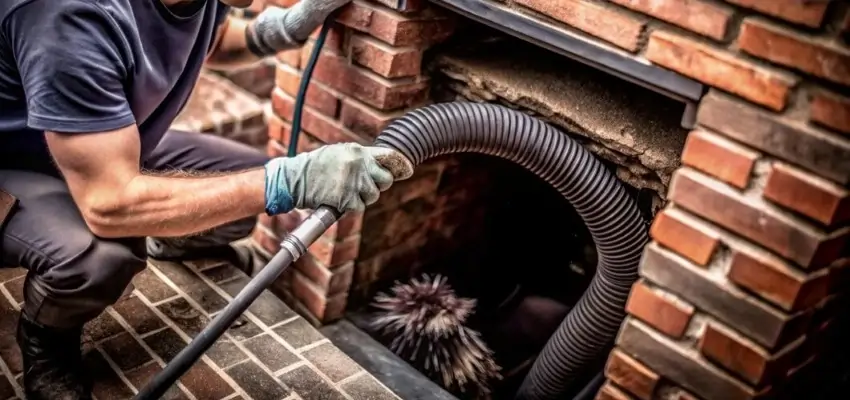
Flue last swept long ago? Chimney Cleaning in Abbotsford
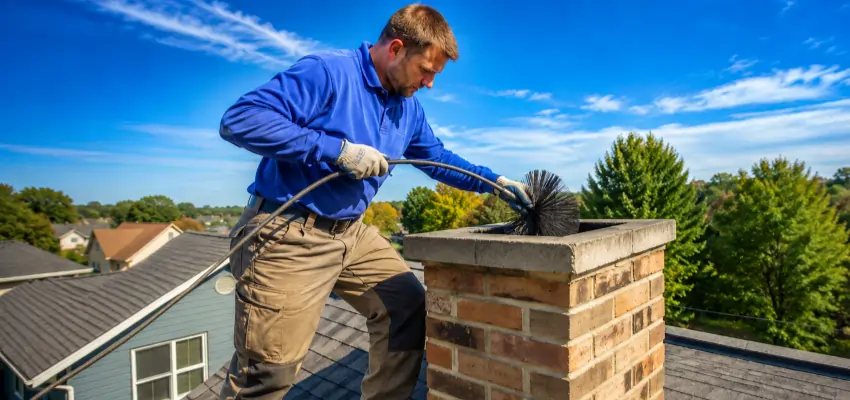
Creosote cleared, flue inspected: Chimney Sweep for Abbotsford
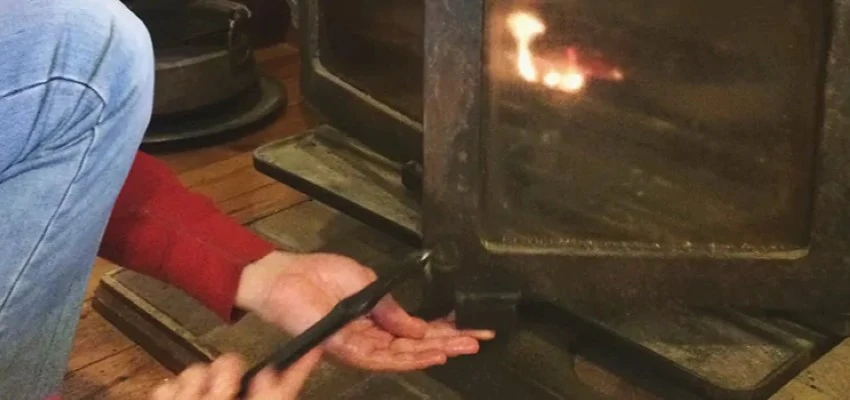
From roof cap to firebox, Chimney Sweep Services in Abbotsford
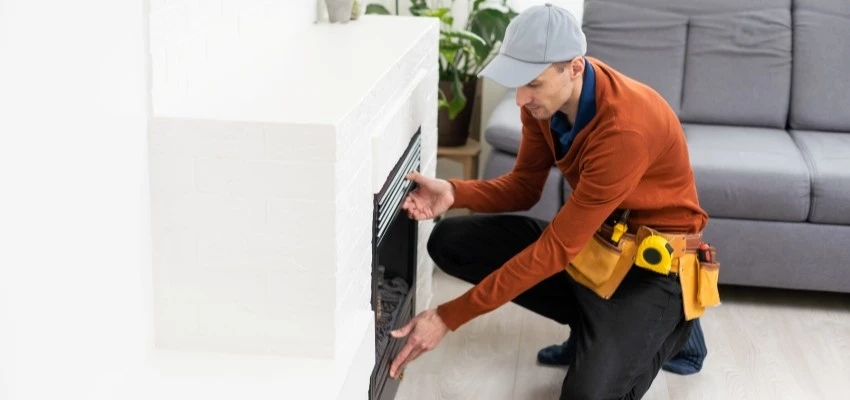
Ready for the season with Fireplace Experts in Abbotsford
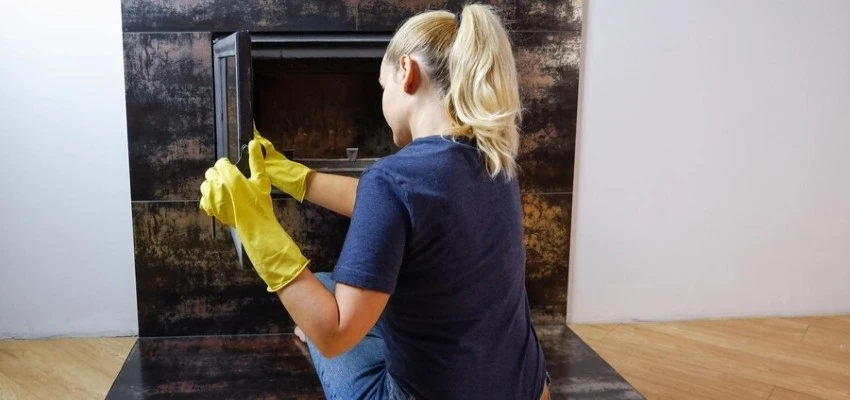
Control area vacuumed during Gas Fireplace Cleaning
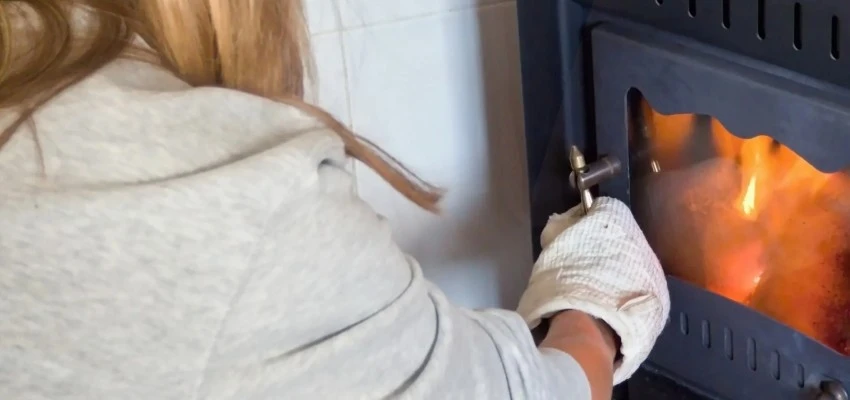
Yearly Gas Fireplace Maintenance in Abbotsford, before the cold arrives