Think of this page as a reference you can come back to. It collects common questions about chimney crown repair from homeowners around Abbotsford and answers each one directly, with the reasoning behind it. Whether you landed here after typing “chimney crown services” or someone who recently had their chimney fixed sent you the link, you should leave with a clearer idea of what needs doing, what can wait and what to ask before any work begins.
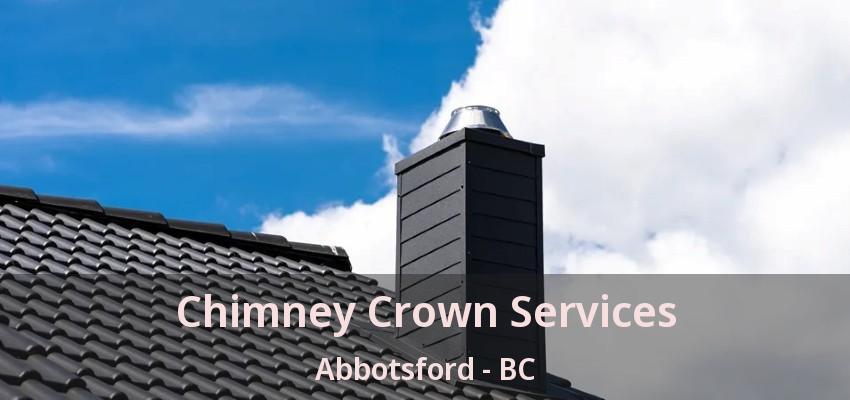
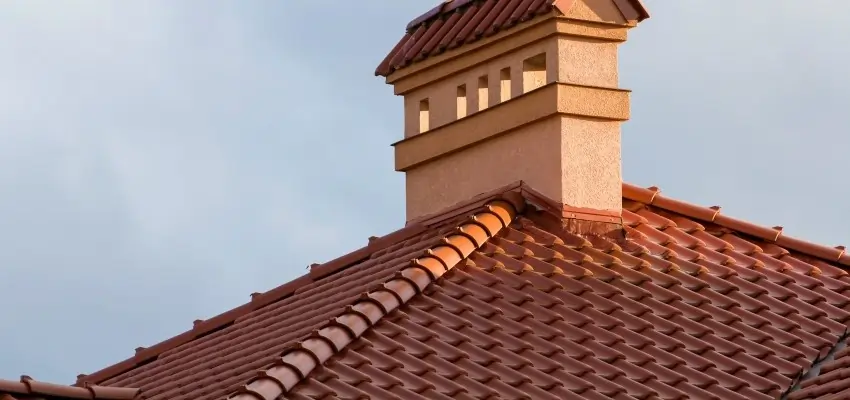
A sound crown is a solid slab of concrete or a purpose-made crown mix, not a thin layer of brick mortar, and it slopes away from the flue so water runs off quickly. Its edges extend slightly beyond the brick on every side, with a drip groove underneath so water falls clear instead of running down the face of the chimney. Around the flue tile there is usually a small gap filled with flexible sealant. The surface should be free of cracks and crumbling spots. If you are comparing options for “chimney crown services”, ask whether a new crown will be built with an overhang and a drip edge.
A chimney’s parts fall into three groups: the weatherproofing outside, the flue liner inside and the working parts at the bottom. Weatherproofing means the cap, the crown, the flashing and the face of the bricks and mortar. The liner is the channel that handles heat and corrosive exhaust. Down at hearth level are the pieces people actually touch, such as the damper handle, the firebox walls and the ash dump door. On a prefab system, a framed chase and its sheet metal top replace the brick. When we diagnose a problem, we trace it to one of these groups first, because that decides what the fix looks like.
A leaking chimney almost always has one of a few causes: a missing or damaged cap, a cracked crown, failed flashing where the chimney meets the roof, or porous bricks and mortar soaking up rain. On factory-built chimneys, a rusted or flat chase cover is a frequent culprit. Water may show up far from where it enters, running along the flue or the framing before it appears as a stain. Note when the leak happens, whether in every rain or only when wind blows from one direction, and where you see it. Those details help narrow down the source quickly.
Not every repair needs the roof, and when one does, we plan safe access before we arrive. Work at the top of the stack means ladders, roof brackets or harnesses tied to a secure anchor, plus soft-soled footwear and pads to protect shingles. Steep or high roofs may call for extra equipment or a second technician. Wet, icy or very windy weather puts roof work on hold, because no repair is worth a fall. Jobs at the bottom of the chimney, such as an ash dump, a throat damper or a stove connection, keep us indoors, where the main concern is protecting floors and furniture from soot and dust.
A cracked chimney crown is repaired by sealing it when the cracks are small or by rebuilding it when the crown is broken, crumbling or badly shaped. Hairline cracks can be cleaned and covered with a flexible crown sealant that bridges small gaps and sheds water. A crown that is loose, has pieces missing or was built flat without any overhang is usually removed and replaced with a new, sloped crown that extends past the brick so water drips clear. A small gap is often left around the flue tile and filled with a flexible material, so the tile can expand with heat.
Anything from a morning to several days, depending on the part, the access and the material. A damper repair or cap swap rarely keeps us past lunch. Flashing and chase covers depend on the roof, so a steep pitch or fragile shingles add hours. Masonry is the slow one, not because the work itself drags but because mortar and crown concrete need dry, mild weather and time to firm up between steps. A full rebuild above the roofline can stretch over several visits. When we quote, we give you a working estimate and tell you plainly what could push it longer, such as hidden damage.
When booking chimney repair, describe what you have noticed and where, because those details shape the visit. Mention whether the chimney is brick, stone or a factory-built system in a framed chase, what it serves, such as a wood fireplace, gas fireplace, stove or furnace, and roughly how tall the house is. Say when the problem started, whether it gets worse with rain or wind and whether anything has been repaired before. Pictures of the chimney from the ground and of any stains or damage inside help the company bring the right parts and give a realistic time estimate.
Many companies apply a flexible crown coating after repairs, and it is often a good idea. The coating bridges very small cracks as the crown expands and contracts with temperature changes, and it slows water absorption into the concrete. New crowns may need to cure before a coating goes on, so follow the timing your contractor gives. Coatings wear over time, so a quick check during the yearly inspection tells you when a fresh layer is due. Sealing does not fix a crown that is badly shaped or broken, which is why good chimney crown repair starts with the slab itself.
Pick the company that gives you specifics. One that knows chimneys asks what yours is made of and what burns in it before giving a figure, and it talks about the cause of a problem rather than just the symptom. On site, it should take photos from the roof and inside the flue, lay out the options and let you decide without pressure. Tidy work matters, since soot and mortar dust travel. Ask how follow-up questions are handled once the job is done, and whether the same crew will come back if something needs a second look.
It is easy to forget about the parts of a home you rarely see. Booking chimney crown repair now means one less thing to wonder about later in the year. Request a quote from Chimney Sweep Abbotsford and choose a visit time that fits around your week.
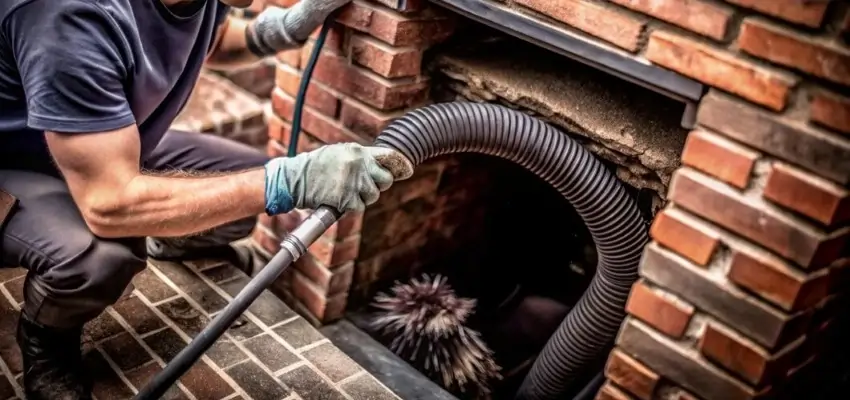
Flue last swept long ago? Chimney Cleaning in Abbotsford
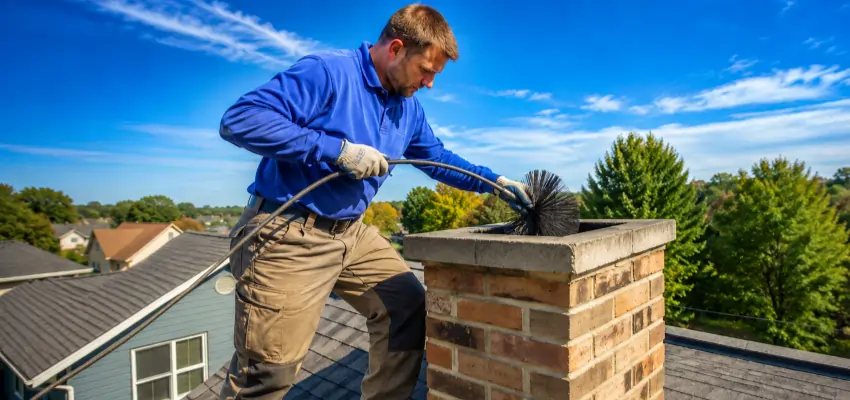
Creosote cleared, flue inspected: Chimney Sweep for Abbotsford
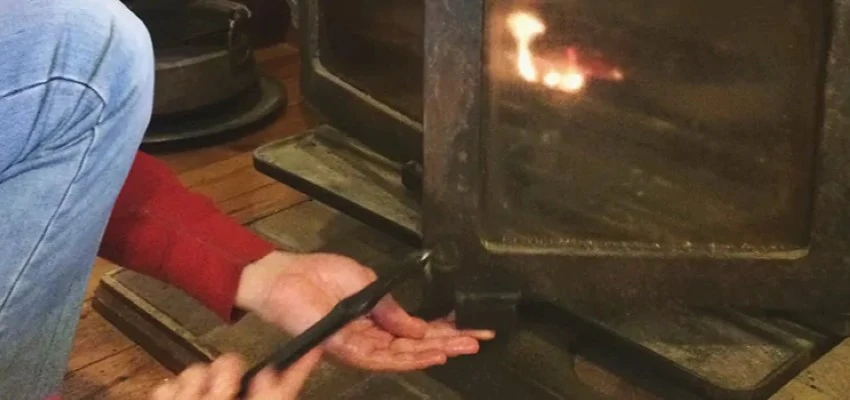
From roof cap to firebox, Chimney Sweep Services in Abbotsford
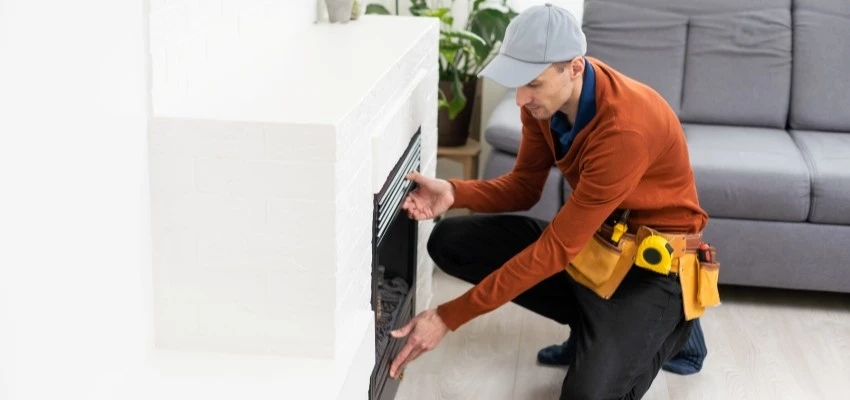
Ready for the season with Fireplace Experts in Abbotsford
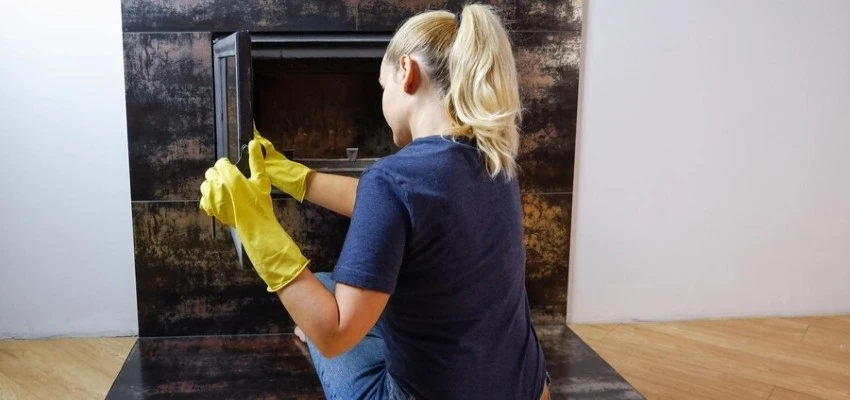
Control area vacuumed during Gas Fireplace Cleaning
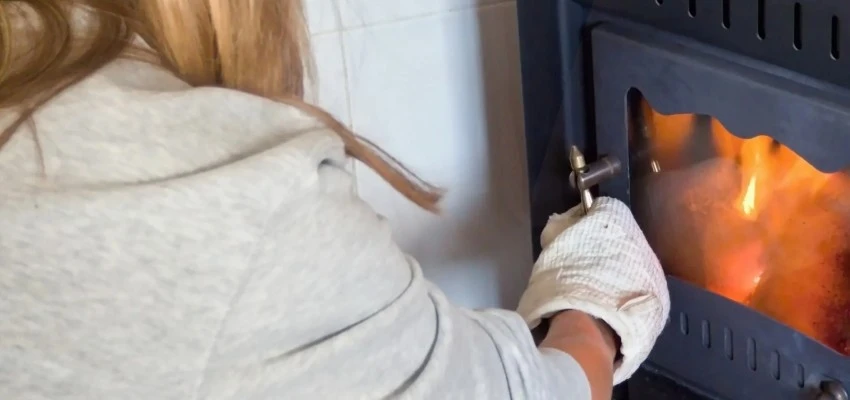
Yearly Gas Fireplace Maintenance in Abbotsford, before the cold arrives